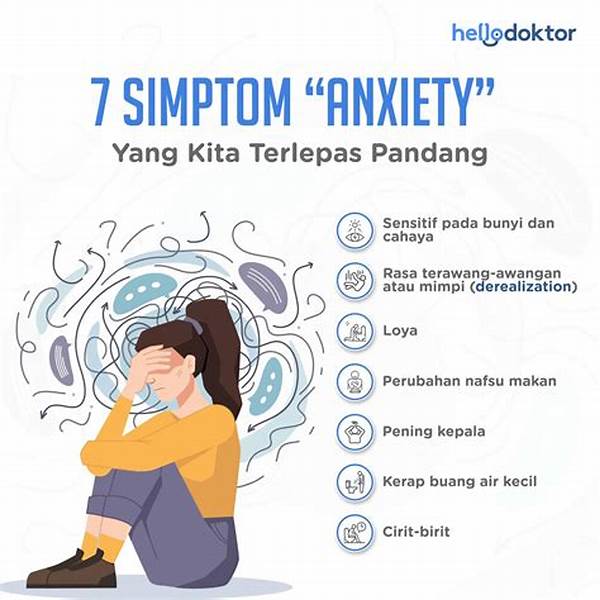
Anxiety, or what many often perceive as a persistent state of worry and unease, is more than just a fleeting feeling of stress. It’s a pervasive issue impacting millions worldwide, often silently and without acknowledgment. From teenagers impacted by social pressures to adults striving to meet life’s ever-increasing demands, anxiety has become a common, albeit largely misunderstood, aspect of modern life. Its impact on overall health, both mental and physical, cannot be understated. Hence, understanding what penyakit anxiety adalah (anxiety disorder) has never been more crucial.
Read More : Apa Itu Gerd Anxiety
Each day, thousands sermonize about the rigors of modern life, touched by a common thread—anxiety. It arrives as an uninvited guest during late-night hours and lingers, often unacknowledged, because it’s masked behind smiles and hollow assurances of “I’m fine.” Ironically, the quest for perfection and societal accomplishments often fuels the fire, making anxiety a relentless companion.
From students freaking out over exams to professionals tightroping on thin deadlines, anxiety intricately weaves itself into day-to-day routines. Yet, here lies an opportunity. Understanding anxiety and approaching it with the same energy as other health concerns opens doors to better management and recovery.
Understanding Anxiety: More Than Just Stress
Penyakit anxiety adalah more than just an occasional bout of stress—it is a complex mental health condition. People suffering from anxiety disorders often feel overwhelmed by everyday situations. This sensation isn’t just restricted to imagined fears; it can manifest physically, making even the simplest tasks seem insurmountable. The symptoms might range from increased heart rate, rapid breathing, restlessness, and general fatigue, leaving one asking: “Why can’t I just feel normal?”
By recognizing and acknowledging the very existence of anxiety, there’s hope. It’s not about eradicating anxiety altogether—after all, it’s a natural response to life’s challenges. It’s about equipping oneself with tools to manage it effectively so it doesn’t overshadow one’s life.
—
Exploring the Goals of Managing Anxiety
Managing anxiety effectively requires a clear set of goals. By setting these goals, one embarks on a journey to not only understand the condition better but also to find pathways that lead to a balanced and fulfilled life.
Setting Personal Milestones
Understanding one’s personal relationship with anxiety is key. The primary goal is acknowledging and accepting that penyakit anxiety adalah a part of life, yet it need not control it. Setting realistic milestones—like identifying triggers—can help in charting a way forward.
Embracing Therapeutic Interventions
Therapeutic interventions are pillars in the management of anxiety. Whether cognitive-behavioral therapy, mindfulness meditation, or other cognitive techniques, these approaches form a significant part of the journey. Each method offers unique benefits, tailoring to individual needs and stresses the importance of personalized care.
Exploring these avenues isn’t about finding an immediate solution but understanding and framing anxiety in a way that’s constructive rather than disruptive. Regular sessions and committing to a therapy plan can pave ways toward achieving calm, directive thought processes.
Emotional and Rational Connect
Tackling anxiety isn’t just rational but also deeply emotional. Finding an equilibrium between emotional acknowledgment and rational thinking guides individuals through their toughest moments. Developing a realistic perspective, whereby emotions are neither suppressed nor given undue dominance, forms a critical goal in anxiety management.
Building a Support Network
No one needs to face anxiety alone. Having a robust support network—whether friends, family, or support groups—is invaluable. These connections provide encouragement, validation, and often, alternative insights into managing anxiety effectively.
Implementing Lifestyle Changes
Lifestyle changes also play a crucial role in managing anxiety. Regular physical activity, healthy eating habits, and sufficient sleep are foundational elements that greatly impact one’s overall well-being. Aim not merely to eliminate anxiety symptoms but to cultivate a balance in general health and harmony in daily life.
Pursuing Professional Help
Lastly, seeking professional help can yield remarkable results for many dealing with anxiety. Expert advice, often paired with medication where necessary, offers a comprehensive path towards managing anxiety. Understanding that penyakit anxiety adalah a condition that sometimes requires professional intervention is vital.
—
Details About “Penyakit Anxiety Adalah”
—
An Insight into Anxiety
To truly comprehend the essence of anxiety, one must step into the shoes of those who battles it daily. Picture starting a day with dread and ending it in exhaustion, yet the mind still races with fears both irrational and overwhelming. This constant state of alertness defines anxiety, painting a vivid picture of what the world looks like through anxious eyes.
The Reality of Anxiety Disorder
Anxiety disorders are not mere quirks; they are serious mental health conditions requiring attention and care. Penyakit anxiety adalah such that it can limit life experiences if left unaddressed. The subtleties of each person’s experience with anxiety underline the importance of tailored interventions.
In today’s digital age, where information overload is rampant, anxiety finds newer avenues to pervade our lives. However, knowledge is power. Understanding anxiety and spreading awareness can dismantle stigma, fostering a society where mental health is prioritized.
Ending the Silence on Anxiety
It’s time to initiate open conversations about anxiety. Sharing stories, seeking help, and enlightening others can dissipate the fog of misunderstanding surrounding anxiety disorders. This silent epidemic needs vocal champions to push back against the tide of stigma.
—
Exploring Solutions for Anxiety
Anxiety doesn’t have to be the unruly shadow that dims your days. Solutions are aplenty and begin with understanding and compassion—toward oneself and others.
The Role of Professional Help
Professional help acts as one of the cornerstones in the journey to manage and overcome anxiety. From therapy sessions to prescribed medication, professional guidance offers resources to tackle anxiety effectively.
Inclusive Community Support
Engaging in community support groups can significantly aid in diminishing anxiety. Sharing experiences, hearing success stories, and feeling part of a wider network uplifts and motivates individuals.
Personal Empowerment
Empowerment begins at the heart of understanding. Recognizing that anxiety is manageable becomes the first step towards reclaiming control. Adopting strategies like mindfulness can lead to profound changes in handling anxiety daily.
Storytelling: Connecting Through Experience
Sharing personal narratives often resonates far beyond expectations. Realizing that others walk similar paths and overcome similar hurdles bonds individuals on a fundamental level, inspiring hope and action.
Building Emotional Resilience
Emotional resilience is a learned skill, strengthened through experiences and intentional practice. By nurturing resilience, one equips themselves better to face anxiety and its unpredictable nature.
Taking the Action
Stop letting anxiety steal your joy. Reaching out, asking questions, seeking answers—it’s all part of the action plan. Take the proactive step to understand what illness anxiety adalah and begin your journey toward reclaiming life with vigor and zest.
—
In a world buzzing with activity and life’s constant demands, it’s easy to label anxiety as simply part of the modern human condition. However, understanding that penyakit anxiety adalah a real and significant issue invites a necessary exploration. By embracing the tools and support systems available, individuals can carve pathways from their shadows into environments filled with understanding, compassion, and resilience.