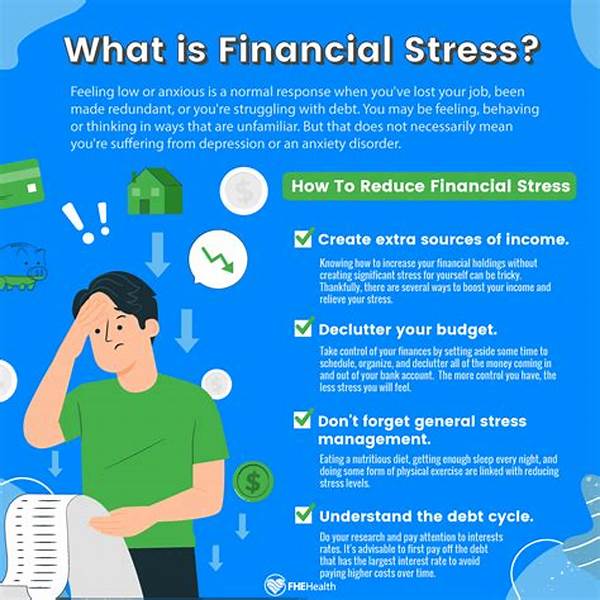
In today’s fast-paced world, where financial markets are as unpredictable as the weather, financial stress has become an unwelcome companion for many. Imagine living in a constant state of anxiety, each ringing phone a potential call from a debt collector, every unexpected expense a mini-crisis. Now, consider how carrying this weight not only impacts your personal life but seeps into your professional existence, creating a fertile breeding ground for burnout. Unbeknownst to many, the unexpected link: how your financial stress directly contributes to your work burnout, is both complex and compelling.
Read More : Burnout Artinya
This pervasive cycle begins with financial stress acting as a silent saboteur, distracting you during work hours, diminishing your productivity, and causing a ripple effect of dissatisfaction. You find yourself constantly anxious about meeting ends, and this tension leads you to make more mistakes, which in turn creates additional workplace stress. But wait, there’s more! The adrenaline rush that keeps you awake at night worrying about bills ends up depleting your energy reserves, leaving you with little vigor for performing your job during the day.
The result? A vicious cycle of stress and burnout. It’s like trying to extinguish a fire with gasoline. Understanding the unexpected link: how your financial stress directly contributes to your work burnout can be a game-changer. By acknowledging and addressing the financial pressures in your life, you can take active steps toward reducing workplace burnout. Imagine feeling more focused, energized, and ready to conquer your day without the dark cloud of financial strain constantly looming over you.
Understanding the Connection Between Financial Stress and Burnout
Research indicates that nearly 1 in 3 employees report financial stress as a primary source of tension in their lives. It’s not surprising that this stress has a direct impact on their work life. Financial worries can lead to decreased focus, which consequently reduces productivity and can result in poor job performance. But it’s not just about productivity. Financial stress also impacts your mental health, leading to anxiety and depression, which are significant contributors to burnout.
When you’re worried about finances, every small work setback feels magnified. You might even start to doubt your professional capabilities as financial worries consume your energy and thoughts. It’s important to recognize that this isn’t just about working harder to escape the stress. Rather, it’s about working smarter to manage both your financial responsibilities and commitments at work.
Strategies to Alleviate Financial Stress and Prevent Burnout
Addressing the intersection of financial stress and work burnout requires a proactive mindset. First and foremost, creating a realistic budget can provide a sense of control over your finances. Additionally, seeking professional financial advice can offer new perspectives and strategies for managing debt and expenses effectively. On a professional level, open communication with your employer about your workload and stressors can lead to improved work-life balance.
Making lifestyle adjustments, such as regular exercise and mindfulness practices, can also aid in coping with stress more effectively. These tools, combined with a financial plan, can help mitigate the toll that stress takes on your professional life, preventing burnout from becoming the uninvited guest at your workplace.
Keys to Managing Financial Stress
- Establish a clear budget and stick to it.
- Seek financial counseling if you’re overwhelmed.
- Practice stress-reduction techniques like meditation and yoga.
- Communicate openly about workload stress with colleagues and supervisors.
- Prioritize tasks to avoid feeling overwhelmed at work.
- Take regular breaks to recharge mentally and physically.
- Set aside emergency funds to handle unexpected expenses.
- Engage in hobbies that bring joy and relaxation.
- Maintain a support network of friends and family.
- Stay informed about financial literacy and resources available for support.
Understanding and managing the unexpected link: how your financial stress directly contributes to your work burnout is crucial in today’s demanding environment. But knowing is only half the battle; action is the other half. Take control of your financial worries today, and watch as your work life becomes more balanced and fulfilling.
Navigating Financial Stress for a Healthier Work-Life
Financial stress doesn’t have to dictate your professional success or well-being. By actively engaging with the tools and strategies mentioned above, you can prevent the cascading effect of stress into your work life. Start by acknowledging the burden, and then take incremental steps toward change. With persistence and a balanced approach, it’s entirely possible to mitigate both stress and burnout for a healthier, more productive life.