Anxiety Attack: Understanding and Overcoming
Read More : The Vagus Nerve Hack: Simple Exercises To Instantly Reduce Fear And Promote Calmness!
Anxiety attacks—many have heard of them, but only those who experience them truly understand the gripping sensation of fear and panic that characterizes these moments. Imagine sitting at your desk, enveloped in a mountain of work, when out of nowhere you’re hit with a wave of overwhelming dread. Your heart races, palms sweat, and you feel detached from reality. Welcome to the daunting world of anxiety attacks. An anxiety attack can feel like an ambush on both the body and mind. It’s crucial to know that this experience, while intensely personal, is far from unique. According to recent studies, nearly 40 million adults in the United States alone experience anxiety disorders, with a significant percentage suffering from anxiety attacks. Understanding what anxiety attacks entail is the first step towards managing them effectively.
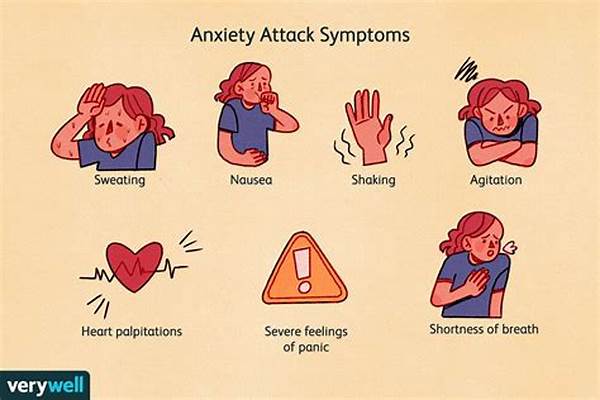
In many instances, people might not even recognize when they are having an anxiety attack, as the symptoms can manifest in diverse ways. For some, it’s intense physical sensations—heart palpitations, dizziness, and trembling. For others, there’s a psychological aspect—fear of losing control, embarrassment, or impending doom. This variation in symptoms shows how anxiety attacks tailor themselves to one’s deepest fears. It’s not simply fear of the unknown; it’s often a manifestation of our mind’s way of coping with overwhelming stressors. Those who haven’t experienced anxiety might find it challenging to grasp just how debilitating an attack can be. Yet, understanding is crucial for empathy and support.
Learning how to cope with or prevent anxiety attacks involves a multi-pronged approach. Breathing techniques, meditation, and mindfulness are commonly recommended, as they help ground you in the present and regulate physiological responses. Professional therapy can provide deeper insights and coping strategies tailored to personal triggers. Cognitive-behavioral therapy (CBT) is particularly effective, as it helps reframe negative thought patterns into positive ones. It’s like a gym session for the brain, training it to handle stress better. Friends and family can play a key role too. A simple check on your loved one’s well-being or offering a listening ear can make a world of difference.
Navigating the Aftermath of an Anxiety Attack
After experiencing an anxiety attack, it’s vital to take steps towards recovery and prevention. Post-attack, many feel drained or embarrassed, but understanding that this is a natural response can be comforting. Engage in activities that promote relaxation—be it yoga, reading, or simply taking a walk in nature. Identifying triggers is also a key aspect. Keeping a diary to track these episodes can offer insights into patterns or recurring themes, ultimately helping in avoidance or management of future attacks.
Exploring the Roots: Causes of Anxiety Attacks
Understanding the cause of anxiety attacks is akin to detective work. Many variables might contribute, ranging from genetics to environment, or even changes in brain chemistry. Recent research suggests that about 30% of anxiety disorders are hereditary—meaning, if anxiety has a foothold in your family tree, it’s more likely to affect you. Yet, environment plays an equally, if not more significant, role. Stressful life events, prolonged exposure to high-stress environments, and past trauma can serve as catalysts for anxiety attacks.
The relationship between brain chemistry and anxiety is intricate. Neurotransmitters—specifically serotonin and dopamine—play a part in mood regulation. An imbalance might create a fertile ground for anxiety disorders. This knowledge has led to developing medications that aim to stabilize these chemicals, offering relief for many sufferers. However, medication isn’t a one-size-fits-all solution and is often most effective when combined with therapy and lifestyle adjustments.
Breaking the Stigma: Anxiety in Society
Despite its prevalence, anxiety—especially anxiety attacks—remains shrouded in societal stigma. The narrative that anxiety is simply “being overly worried” diminishes its impact, leaving many sufferers misunderstood. Anxiety attacks often occur without an obvious trigger, making them seem exaggerated or attention-seeking behaviors. This stigmatization deters individuals from seeking help, fearing judgment or ridicule. It’s a paradox; despite anxiety’s wrinkles across society’s fabric, it often isn’t taken as seriously as physical ailments. Encouraging conversations around mental health can counteract this. Normalizing discussions about mental well-being, much like we do with physical health, is essential for breaking this pattern of silence and stigma.
Strategies for Managing Anxiety Attacks
Thankfully, there’s a robust toolkit available to manage and prevent anxiety attacks. Regular physical activity has long been championed as a mental health booster. Exercise releases endorphins, the body’s natural mood elevators, reducing stress and anxiety. Paired with a balanced diet rich in omega-3 fatty acids, complex carbs, and magnesium, you create a nurturing environment for your mind and body. Building a support network is invaluable. Whether family, friends, or support groups, knowing there’s someone to turn to can ease anxiety’s grip. Connect with mental health professionals who can offer tailored strategies and perhaps explore meditation or yoga classes designed specifically for stress relief.
Mastering Mindfulness to Curb Anxiety Attacks
Mindfulness centers around embracing the present and shifting focus from negative spirals to grounding moments. Incorporating mindfulness into daily routines—through meditation, mindful walking, or even mindful eating—can significantly reduce the frequency and intensity of anxiety attacks. By embracing these practices, you’re equipping yourself with a powerful tool against anxiety’s unpredictable nature. It’s about redirecting the mind to what’s concrete, thus reducing the abstract threat of anxiety.
The Journey Forward: Supporting a Loved One with Anxiety
It’s crucial to approach those experiencing anxiety attacks with empathy and understanding. Avoid phrases that can invalidate their feelings, like “Just calm down” or “It’s not a big deal.” Offer patient listening, showing that you’re willing to walk alongside them through their journey. Encourage them gently towards seeking professional help if needed and celebrate their small victories, recognizing every step they take towards healing. In this way, youtake an active part in their support system, not as a fixer, but as a reassuring presence.
Recognizing the Symptoms of an Anxiety Attack
Understanding the symptoms of an anxiety attack is vital for early intervention. These symptoms can include:
Anxiety attacks are the body’s alarm system, signaling that something is awry. By acknowledging these symptoms when they arise, one can take proactive steps towards management rather than feeling at the mercy of these episodes. It’s empowering to know that recognizing the enemy is the first step in vanquishing it.
Let’s imagine for a moment you’re a player about to step onto a soccer field for the first time. Anxiety attacks are the opponent – unpredictable and challenging. But just like any seasoned player, with practice, knowledge, and the right support, you can become adept at anticipating their moves, ultimately gaining confidence with each encounter. Whether through professional help or personal strategies, understanding the nature of anxiety attacks shifts the power dynamics, allowing individuals not just to cope, but to thrive.