In today’s fast-paced world, it’s not uncommon to feel a flutter of anxiety from time to time. However, when it’s paired with persistent stomach discomfort, tingling sensations, or unexpected bouts of breathlessness, you might be encountering something more complex—GERD anxiety. Gastroesophageal reflux disease (GERD) is a chronic condition in which stomach acid or bile irritates the food pipe lining, and it might have surprising connections with anxiety. Understanding the signs of GERD anxiety can be pivotal in managing both mental and physical health effectively.
Read More : Low-carb Snacks That Don’t Spike Your Stress Hormones
The challenges of interpreting symptoms that overlap between GERD and anxiety can often feel like untangling a web of invisible threads. The heart races, a lump lodges itself in your throat, and sleep becomes an elusive concept. In the midst of juggling day-to-day responsibilities, the intrusive nature of GERD anxiety can turn a simple dinner outing into a daunting challenge. The signs of GERD anxiety are intricately linked to lifestyle choices, stress levels, and coping mechanisms, making it essential to address them with attention and care.
Before diving into the intricate dance of symptoms, it’s essential to highlight how prevalent this issue is. Studies suggest that nearly 60% of people with GERD experience anxiety symptoms, creating a cycle where the discomfort from GERD exacerbates anxiety, which, in turn, intensifies GERD symptoms. This feedback loop can feel inescapable, but recognition and proactive management can break the cycle. And while the signs of GERD anxiety might be daunting, they are not a life sentence.
For those riding this challenging wave, it can help to view the amalgamation of symptoms not as adversaries, but as signals. Signals that your body is sending you, urging introspection on dietary choices, stress management, and lifestyle alterations. Analyzing these body signals with a magnifying glass offers a greater understanding, potentially opening doors to strategies that soothe and mend. As you navigate through this maze of symptoms, remember that you’re not alone. Community stories, professional insights, and peppered moments of humor can illuminate the path toward relief.
Common Symptoms of GERD and Anxiety
It’s crucial to recognize the overlapping symptoms that signify GERD anxiety. When one misinterprets GERD symptoms as heart threats due to anxiety, it sets off needless alarm bells. Both the mind and body are on high alert, inadvertently amplifying distress. Recognizing these symptoms forms the foundational groundwork for anyone aiming to regain control.
—
To traverse the labyrinth of symptoms associated with GERD anxiety, one must begin by unpacking the elements that cause the most turmoil. Understanding what lies beneath the surface of your discomfort is key to charting an effective strategy toward alleviation. In today’s enlightening read, we invite you to peer behind the curtain and explore the correlations between the heartburn-inflicted woes of GERD and the sometimes-debilitating clutches of anxiety.
Peering deeper into statistics, a recent survey found an alarming 70% of adults experience occasional heartburn, yet only half associate it with underlying anxiety issues. This disconnect shows the frequent misinterpretation of symptoms, resulting in an incomplete approach to treatment. Ignoring the psychological component leaves a gap wide enough for GERD to gallop unhindered, amplifying the perceived severity of its symptoms.
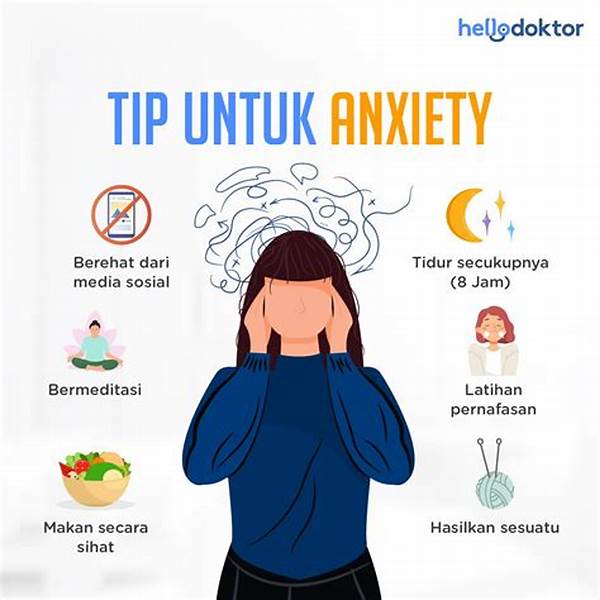
By painting a holistic picture of signs of GERD anxiety, individuals can transition from a purely symptomatic approach to a strategic one. Techniques such as cognitive behavioral therapy (CBT) could be woven into an individual’s coping technique toolkit while monitoring dietary influencers as potential triggers. The food choices you make, coupled with stress management practices, can significantly moderate how GERD anxiety manifests in daily life.
Community narratives provide invaluable insights into individual experiences, reminding you that you’re not battling this alone. One story shares a journey of discovering that meditation and deliberate breathing exercises significantly reduced both GERD episodes and the accompanying anxiety eruptions. Such narratives underscore the power of integrative methods—embracing the mind-body connection instead of treating them as disparate elements.
Learning to differentiate between the signs of GERD anxiety and run-of-the-mill stomach woes can transform your perspective from one of despair to one of opportunity. By doing so, you open the door to myriad treatment options, ranging from holistic healing methods to conventional medical approaches. With the right knowledge and allyship, overcoming the overpowering tandem of GERD and anxiety becomes not just possible, but probable.
Practical Approaches to Managing GERD Anxiety
Understanding how you can craft an action plan to combat signs of GERD anxiety effectively marries knowledge with actionable insight. Let’s walk through how slight modifications in lifestyle choices can render symptomatic relief, ensuring that anxiety doesn’t accompany every digestive twist and turn.
Breathing Techniques to Calm the Storm
Introducing structured breathing exercises into your daily routine can yield transformative results. Breathing deliberately signals the mind to transition to a parasympathetic state, mitigating stress responses that often activate GERD symptoms. Variables such as diet, hydration levels, and even the punctuality of meals can amplify or reduce incidences, making awareness of these factors advantageous in managing discomfort.
—
Understanding GERD Anxiety From a Personal Perspective
The journey through GERD anxiety can seem daunting, but it doesn’t have to remain impenetrable. Through community support, scientific insights, and personal discovery, the varied symptoms associated with GERD anxiety transform into familiar territory. A significant angle involves diving deeply into firsthand experiences—stories that blend humor and wisdom in poignant ways, sometimes giggle-inducing but always enlightening.
The humanity within these tales serves as a reminder that you’re never truly isolated. While anxiety might amplify feelings of loneliness, remember that others are navigating this path, too. Once, a survivor hilariously noted that dinner dates turned into buffet explorations on how each dish influenced their GERD onset—confirming that sometimes laughter is the best medicine.
Seasoned perspectives shed light on creative methods to take control of GERD symptoms. The reality is that coupling anxiety with GERD calls for an imaginative, proactive mix of strategies that both stabilize the gut and quiet the mind. By piecing together tips, trials, and testimonials from like-minded explorers, you carve a way toward balance—an essential element in living fully.
Engage with Your Community
Opening dialogues through forums or local meetups unite individuals facing similar challenges. Support and shared experiences wield power, diminishing the isolation that often accompanies chronic conditions. Embrace your community, learn, and grow from interconnected experiences.
Ultimately, the signs of GERD anxiety are not boundaries, but rather bridges—leading to better self-awareness and holistic care. Each story, each approach, and each victory form reinforcing steps, granting collective courage to manage with grace and humor. Remember, part of navigating this tandem turmoil thrives on the empathy exchanged and the humor shared along the way.
—
The Power of Visualizing GERD Anxiety Management
By visualizing these different aspects, individuals gain a comprehensive perspective on their symptoms. Illustrations add depth and aid in demystifying what might seem overwhelming. Think of them as handy guides, nudging you gently toward calmer shores.
Visual storytelling can inspire action, encourage self-care, and illuminate the path forward. While dealing with GERD anxiety can feel like grappling with elusive shadows, embracing illustrative narratives fosters connection. Utilizing humor and creativity as anchors in your journey can transform those daunting moments into memorable experiences—not just challenges but opportunities for growth and understanding.
Ultimately, the art of storytelling, in all its vibrant forms, can cultivate a sense of belonging and resilience. As you explore these illustrations and accompanying narratives, recognize the poised balance between frustration and levity—empowering you to chart a hopeful, steady course toward wellness.