- The Impact of Academic Burnout on Student Life
- Breaking Down the Elements of Academic Burnout
- The Importance of Addressing Academic Burnout
- Goals Related to “Academic Burnout”
- Discussion on Academic Burnout
- Tackling Academic Burnout: Insights and Interventions
- Ten Tips for Dealing with Academic Burnout
- Understanding and Overcoming Academic Burnout
The pursuit of academic excellence is a universal goal, yet it comes at a price. Across the globe, students are facing an unseen opponent—academic burnout. This condition, a result of chronic stress and overwhelming academic pressures, is not just a minor inconvenience but a significant obstacle to personal and educational success. In this article, we’ll delve into the intricacies of academic burnout, how it manifests, and what can be done about it.
Read More : Office Yoga Poses That Reset Your Mental Energy
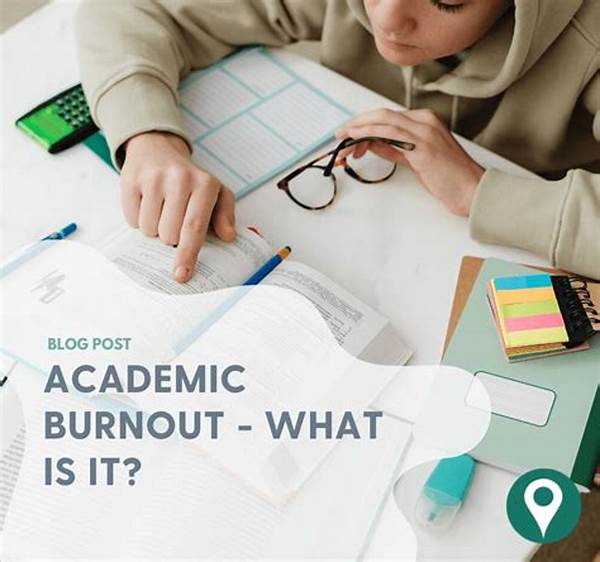
Picture this: endless assignments, insurmountable piles of books, and the clock ticking away. It seems like an educational horror movie, but for many students, it’s the reality. Academic burnout emerges from the continuous strain of striving for top grades and extracurricular achievements. It’s not just about the lack of sleep; it’s about the quality of life that’s compromised. Students report feelings of exhaustion, detachment, and an inability to enjoy the learning process—classic signs of academic burnout.
The Impact of Academic Burnout on Student Life
The repercussions of academic burnout are not confined to the classroom. They extend into every aspect of a student’s life, affecting their mental health, social interactions, and overall well-being. An alarming number of students lose their passion for learning and become disengaged from their studies, leading to a decline in academic performance and a potential dropout. But there’s hope. Recognizing the signs and taking proactive steps can mitigate its effects and rekindle a student’s enthusiasm for education.
—
Breaking Down the Elements of Academic Burnout
Understanding these components is crucial for educators, parents, and students to create a supportive environment that promotes mental health and academic well-being.
Strategies to Combat Academic Burnout
1. Time Management Skills: Prioritize tasks to avoid last-minute rushes.
2. Regular Breaks: Introduce short breaks and leisure activities to maintain balance.
3. Support Systems: Encourage open conversations about stress with peers or counselors.
4. Mindfulness Practices: Include activities like meditation to enhance focus and reduce stress.
5. Nutritional Care: Balanced diets contribute significantly to energy levels and concentration.
By implementing these strategies, students can build resilience and maintain their passion for learning.
—
The Importance of Addressing Academic Burnout
Recognizing academic burnout is the first step towards effective intervention. It’s imperative for educational institutions to provide resources and build an environment that fosters creativity, learning, and mental well-being.
The Future of Academic Burnout
In a rapidly evolving educational landscape, embracing innovative learning methods and flexible academic schedules can significantly alleviate the pressure on students. Schools and universities must remain committed to identifying and addressing the signs of burnout early, ensuring every student has the opportunity to thrive academically and personally.
—
Goals Related to “Academic Burnout”
Discussion on Academic Burnout
Is academic burnout simply a result of heavy textbooks and demanding schedules? Not entirely. It’s an intricate weave of stress, expectations, and insufficient support systems. While the traditional approach blames workload, a more modern perspective emphasizes the role of emotional well-being, connections, and technological impacts in exacerbating this condition.
The conversation surrounding academic burnout is growing, yet solutions remain elusive. Education systems across the world are experimenting with varied approaches, from reducing homework to implementing meditation classes. Hopeful as it is, these measures are often sporadic and lack widespread adoption, leaving some students still grappling with their academic monsters.
Change is indeed the call of the hour. Every stakeholder—educators, parents, policymakers—must take part in reshaping the learning environment. We need robust programs, flexible curriculums, and supportive communities that nurture not just academic achievers but healthy, well-rounded individuals. The dialogue is open, and so is the path to meaningful reforms.
—
Tackling Academic Burnout: Insights and Interventions
Recognizing the Signs
Identifying the early warning signs of academic burnout is critical. Fatigue, irritability, and a decline in performance are among the first indicators. Educational institutions must train teachers to notice these symptoms and respond appropriately.
Building a Supportive Environment
An empathetic school culture can significantly mitigate the effects of burnout. Schools should focus on promoting awareness and creating platforms for students to express their concerns without fear of judgment. Encouraging emotional support networks and active participation in mental health discussions can make students feel less isolated in their struggles.
Implementing flexible learning modules and encouraging co-curricular activities can also reduce stress levels. Students excel when they are allowed to explore areas of interest without constant academic pressure. This approach not only helps in combating burnout but also improves overall educational outcomes.
Ten Tips for Dealing with Academic Burnout
Itemize small victories each day to celebrate progress, and most importantly, remember: it’s okay to ask for help.
Understanding and Overcoming Academic Burnout
The Modern Student’s Struggle
Today’s students are not only learning from textbooks but are also tackling life skills at a remarkably young age. With the digital age offering an influx of information and distractions, finding focus and managing academic responsibilities becomes ever more challenging.
Navigating the Academic Maze
The core of academic burnout often lies in this environment of constant connectivity, where distraction-free learning is a rarity. The pressure to keep up with peers and excel in every subject can be daunting. It calls for a balanced approach, aiming for quality over quantity in educational practices.
Students need personalized learning experiences that cater to their strengths. Institutions must move away from one-size-fits-all teaching models and embrace diversity in learning styles. Tailored curriculums and technology-enabled teaching tools could be the game-changers we need.
In conclusion, academic burnout is more prevalent today than ever before, demanding a comprehensive response. With proactive strategies, empathetic support systems, and innovative teaching methods, students can reclaim their love for learning while nurturing their mental and emotional health. Let this be an invitation to educators, parents, and students to embark on this journey together, armed with understanding and empowerment to put academic burnout to rest.