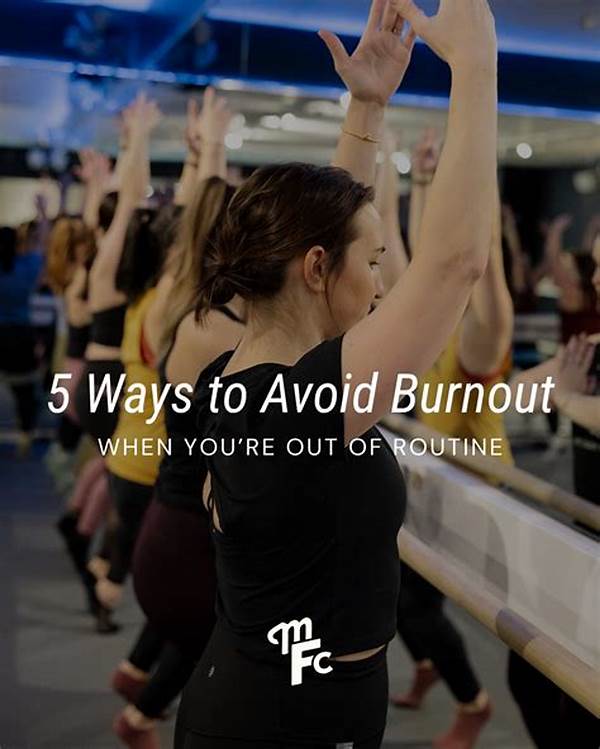
In the hustle and bustle of today’s demanding lifestyle, keeping fit and healthy has become crucial for many of us. Yet, the pressure to maintain a rigorous fitness routine can sometimes lead to unexpected fatigue and exhaustion. This article addresses a rather neglected yet significant issue in the world of fitness—burnout. Yes, the very thing that keeps us going might sometimes be asking us to stop. But, hold on! Before you hang up your running shoes or toss that yoga mat aside, let’s delve into how you can adjust your routine when your body is signaling it’s time for a break. Just like the classic marathon story, where a runner pushes through the wall only to find glory (or injury) on the other side, understanding when to pause can lead you to more sustainable fitness victories.
Read More : Burnout Artinya
Many fitness enthusiasts, driven by the adrenaline rush, set unrealistic goals, resulting in burnout. This burnout not only hinders physical progress but also affects mental well-being. We live in a time where the mantra of ‘no pain, no gain’ is shouted from the rooftops of every fitness studio. Yet, when your body starts waving the white flag, acknowledging it is not a sign of failure, but of wisdom and self-awareness. In this narrative, even the strongest have tales of battling this beast called burnout. Whether it’s the seasoned athlete or the newbie lifter, everyone has had days when getting out of bed seems like the real test of endurance.
Imagine this scenario: you’ve been hitting the gym non-stop, proudly checking off those workouts as if they were gold stars in a child’s school assignment. Suddenly, one day, your body feels like it’s wading through molasses, and your motivation is sunbathing in the Bahamas without you. Rather than pushing through and risking injury or demotivation, consider it a sign to reassess and recalibrate. The story today is not about abandoning your fitness goals, but about making intelligent adjustments that respect your body’s feedback.
Recognizing the Signs of Burnout
When your body starts sending those smoke signals, it’s paramount to interpret them effectively. Signs such as persistent fatigue, lack of enthusiasm, increased irritability, and even slight depression can be indicators that it’s time to slow down. Remember that ignorance isn’t bliss in the world of fitness; it’s a detour to injury town. Listening to testimonials from fellow gym-goers reveals that burnout doesn’t discriminate. From the cardio queen who suddenly finds solace only in her couch, to the weightlifting warrior who can no longer lift even his spirits, burnout is an equal opportunity offender.
The Path to Adjustment: A Fitness Makeover
Now that we’re on the same page about the severity of fitness burnout, let’s talk about making adjustments. A research-backed approach suggests taking a strategic pause in your routine—not a total shutdown. This can mean incorporating more rest days into your week or trying different forms of exercise that are less intense. You might even want to explore yoga or pilates, activities that promote relaxation while keeping you active. With these small changes, the goal is to revive your passion for fitness rather than extinguish it. Remember, burnout for fitness: how to adjust your routine when your body is telling you to stop is not just an idea, it’s a pivot to a smarter and more sustainable fitness journey.
Exploring the Depths of Fitness Burnout
Embarking on a fitness journey often starts with the highest of hopes and dreams. From reaching a coveted weight to running a marathon, the aspirations are endless. However, beneath this enthusiasm lies the potential for burnout—a condition that can derail even the most steadfast athlete. Fitness burnout is not simply about overtraining; it’s about the mental and emotional toll that pushes you to the brink. Recognizing when to stop has become a unique selling point in the fitness industry, as much about maintaining health as it is about enhancing performance.
To many, the symptoms of burnout might initially feel like mere fatigue. But as days turn into weeks, the reality of the condition becomes glaringly evident. It’s a widespread illusion that being constantly on the move equates to progress. Often evidenced by declining performance, frequent injuries, and a waning desire to continue, burnout is a warning bell. Statistics show that up to 60% of regular gym-goers have experienced some level of burnout, according to a survey conducted in various urban fitness centers.
The desire to recover and regain momentum is universally felt, but the path isn’t always clear. This yearning for a balance where fitness can be both challenging and enjoyable is common among many, and solutions might require individual tailoring. Yoga classes, for instance, have emerged as a popular alternative by fostering both physical activity and mental relaxation. In interviews with successful athletes, the importance of recognizing one’s limits has been emphasized repeatedly. It’s a crucial lesson in maintaining longevity in one’s fitness journey.
Tailored Solutions: Restructuring Your Fitness Approach
Burnout for fitness: how to adjust your routine when your body is telling you to stop doesn’t just focus on symptoms but extends to solutions. Gradually incorporating low-intensity workouts, increasing recovery time, or engaging in different sports can reignite your passion. The market for fitness services offering such alternatives is growing, capturing the interest of both professionals and amateurs alike. It’s important to remember that the action begins with you—listen, learn, and adapt.
Key Considerations for Managing Fitness Burnout
It’s crucial to reiterate the benefit of revitalizing your fitness strategies. The moment you acknowledge the burnout, you start a process of healing and growth. This section provides clear guidelines to minimize the risk of burnout, helping create a sustainable fitness routine that leaves room for relaxation. Here are several steps to ponder:
Adjusting your fitness routine appropriately not only safeguards you from burnout but also fosters a more harmonious engagement with physical activity. Innovatively balancing exertion with recovery builds not only strength but also resilience.
Emphasizing Recovery in Fitness
Often overlooked but central to optimal performance and sustainability in physical activity, is recovery. Ensuring adequate recovery is as vital as the workouts themselves; it prepares the body for future endeavors. The focus on recovery doesn’t undermine training intensity but enhances it, leading to long-term success. Whether through leisure walks, meditation, or rest, taking a pause is foundational in the broader fitness narrative.
Addressing burnout for fitness: how to adjust your routine when your body is telling you to stop! is not solely about identification; it’s an invitation to appreciate a nuanced approach to fitness. By embracing these strategies, you not only honor your body’s needs but fortify your wellness journey for the long haul. Each step back can be two steps forward in disguise, finding the rhythm that redefines your relationship with fitness—joyous, fulfilling, and sustainable.