Anxiety Disorder: Unpacking the Silent Storm
Everyone experiences anxiety now and then. It’s a natural response to stress, such as speaking in public or even meeting new friends. But what if anxiety becomes such a looming presence that it disrupts daily life? Anxiety disorder is a condition characterized by excessive worry or fear, beyond the typical anxiety people feel. This condition affects an individual’s ability to function normally and can take many forms, including social anxiety and panic disorder. The goal of this article is to shine a light on anxiety disorder, its impact, and the avenues available for those seeking relief. Understanding the depth of this condition is crucial for encouraging supportive communities and promoting mental well-being.
Read More : Inflammation Nightmare: The Top 4 Foods That Cause Brain Fog And Spike Anxiety Levels!
Anxiety disorder isn’t just about feeling anxious—it’s an overwhelming and persistent mental health concern that manifests in millions of people globally. Those with anxiety disorders may experience symptoms such as rapid heartbeat, overly-sensitive reactions to everyday situations, and even a constant sense of impending doom. Yet, it’s also interesting to note that support and intervention can have a significantly positive impact. Embracing humor, community, and professional help services can lead to transformative outcomes for those affected.
Beyond Ordinary Anxiety
Does anxiety make daily life feel like an obstacle course? This is common for many individuals who face anxiety disorders. Through exploring anxiety disorder, we can collect real stories, research, and strategies that showcase how lives can be transformed. Moreover, understanding shifts in societal norms and medical advancements can bring proper attention to this topic. So, stick around, engage with personal anecdotes, and even take action by sharing this knowledge with others who might benefit from it.
Understanding the Depths of Anxiety Disorder
An anxiety disorder is not just classified as an emotional or mental state; it’s a deeply rooted condition that necessitates professional intervention at times. Many people mistakenly assume that anxiety disorder is simply about stress or overthinking. However, the reality is that it’s a comprehensive disorder that affects both mental and physical aspects of health. Often intertwined with lifestyle factors, these disorders require a nuanced understanding. Progress in terms of both awareness and treatment has extended hope to many, but it remains essential to keep pushing the conversation forward about anxiety disorder.
To truly grasp the complexities involved, it helps to look at empirical evidence. Recent statistics highlight that nearly 18% of U.S. adults are affected by some form of anxiety disorder annually. This staggering number reflects a huge need for effective mental health services and societal understanding. As such, by sharing personal testimonials and exploring various treatment methods, the stigma surrounding anxiety disorders can be slowly dismantled.
Despite the challenges, many narratives offer a glimpse into various coping mechanisms. The power of community and support networks has been repeatedly emphasized in interviews and research papers alike. Those dealing with anxiety disorders benefit greatly from counseling, medication in certain cases, and alternative therapies such as meditation. These methods have been showcased as effective after scientific investigation and can sometimes be even life-changing.
How Anxiety Disorders Manifest
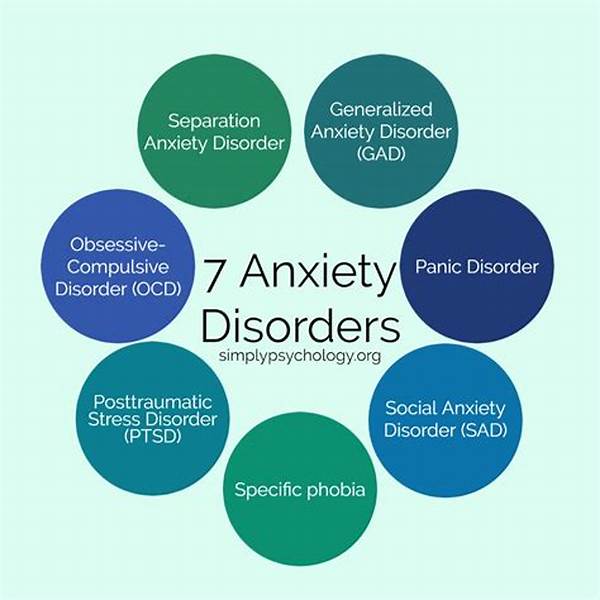
Different individuals experience anxiety disorder in different forms. Generalized Anxiety Disorder (GAD), for instance, is marked by prolonged excessive worry that is difficult to control. Additionally, panic disorder involves recurrent unexpected panic attacks, while social anxiety disorder is characterized by intense fear of social situations. It’s important to realize these are just a few variations within a broad spectrum of anxiety disorders. Recognition of these patterns, even in an informal capacity like blogs or testimonials, can lend vital insights into understanding this complex mental health issue.
Current Treatments and Insights
Medical professionals often recommend Cognitive Behavioral Therapy (CBT) as a starting point for anxiety disorder treatment. CBT aims to change the thought patterns that lead to anxiety and has shown high effectiveness rates in clinical studies. In some cases, medication such as SSRIs may be recommended to manage symptoms. Meanwhile, holistic approaches including yoga and mindfulness have gained popularity due to their stress-reduction benefits.
Community forums and therapy groups serve as valuable platforms where people share their journeys, collectively fostering a sense of belonging and mutual understanding. The web has become a valuable resource for those dealing with anxiety disorder—a home for shared experiences, humorous yet poignant content that resonates and informs.
Important Highlights on Anxiety Disorder
In conclusion, anxiety disorder is a significant health concern, but awareness and comprehension can lead to effective coping strategies. Let this serve as both a call to action and a beacon of hope for those in need. By sharing stories and advocating for mental health, the journey from anxiety’s grip to serenity becomes far more achievable.
Short Summaries on Anxiety Disorder
In understanding anxiety disorder, blogs, studies, and personal stories play vital roles in educating and bringing a touch of reality to the experiences of those affected. Through shared narratives and supportive networks, more people can find paths toward managing their mental health and leading fulfilling lives.