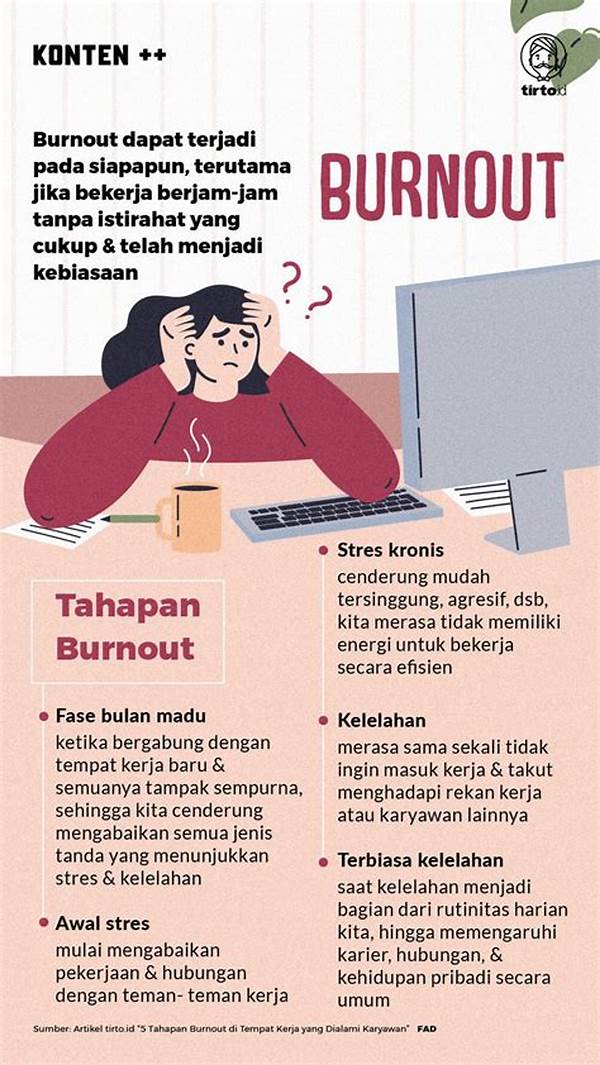
Burnout or Burn Out: A Modern Malaise
Read More : Eat This, Not That: The 5 Worst Sugary Snacks That Cause Energy Crashes And Burnout!
In today’s fast-paced world, the phenomenon known as “burnout” or “burn out” has become a ubiquitous presence in the lives of many. This condition, often characterized by chronic stress and overwhelming exhaustion, not only affects our mental well-being but also our physical health. The term “burnout” was coined in the 1970s by the psychologist Herbert Freudenberger, yet the issue it describes is more relevant than ever. In this article, we explore what burnout entails, its impact, and potential paths to recovery.
For many, burnout creeps up silently, like a slow-burning candle that eventually flickers out. You might find yourself increasingly irritable, disinterested in activities that once brought joy, and struggling with productivity despite putting in long hours. Research conducted by the World Health Organization indicates that burnout now qualifies as a legitimate medical diagnosis, primarily caused by chronic work-related stress. But here’s the cash-saving nugget in this taxing dilemma: recognizing the symptoms early on can pave the way for more effective intervention and recovery, potentially saving individuals and companies valuable time and resources.
What Causes Burnout?
Numerous factors contribute to burnout, from unrealistic deadlines and high-pressure work environments to insufficient support and lack of autonomy. In a recent survey by Gallup, 76% of employees experience burnout on the job at least sometimes. This staggering statistic illuminates a crucial point: burnout is not simply a personal failure or an inability to handle stress. It’s often a systemic issue rooted in workplace culture and practices.
The Unique Selling Point of Stress-Free Living
Imagine waking up refreshed, energetic, and ready to conquer the day rather than succumbing to the oppressive weight of exhaustion. Organizations now have access to exclusive programs aimed at alleviating burnout through mindfulness, flexible working arrangements, and the introduction of wellness initiatives. It’s not just about avoiding burnout—it’s about creating a lifestyle where stress is managed, not endured.
Understanding the Nuances: Burnout or Burn Out?
Whether spelled as “burnout” or “burn out,” understanding the nuances of this condition is paramount. While the spelling may vary, the impact remains devastatingly consistent across sectors and personal circumstances. With more conversations surrounding mental health and well-being, it’s time to deepen our understanding and action plans for combating burnout.
Combating Burnout Professionally and Personally
In examining the landscape of modern-day exhaustion, it’s clear that burnout is not limited to the confines of a single industry or job role. It permeates through various aspects of life—professional, personal, and even social. The desire to combat this issue has seen innovative solutions appear, from mental health apps to corporate wellness retreats. A successful strategy requires both recognizing the signs early and implementing comprehensive support systems.
Thought leaders and companies taking active steps to address burnout often share testimonials that illustrate significant positive changes. Whether through structured programs or personal anecdotes, the emphasis is on a balanced approach that includes open communication, restructuring workloads, and promoting a culture of mental well-being.
The Power of Transformation
Transforming the workplace into a burnout-free zone isn’t just a nice-to-have—it’s a necessity. Companies and individuals alike are urged to take actionable steps. Hosting workshops or simply revamping current systems can drastically reduce burnout rates. Yet, the personal journey also involves a commitment to self-care, establishing boundaries, and, importantly, knowing when to ask for help.
As a society, embracing changes and acknowledging burnout not as a badge of honor but as a signal for urgent change can lead to more robust, happier, and more productive communities. With an exclusive offer of community support and tailored solutions, this daunting issue becomes approachable and manageable, paving the way for a harmonious work-life balance.
A Call to Action
With an increasing body of research, anecdotal evidence, and a growing cultural dialogue, the time to address burnout is now. Be proactive—embrace new strategies, communicate openly about challenges, and most importantly, seek the sustainable joy that comes from balanced living. Don’t let burnout define your narrative; transform it with knowledge and action.
—Summary Points
—Exploring Strategies to Alleviate Burnout
The conversation around burnout often begins with understanding its core: stress. As occupational demands heighten, individuals must navigate a labyrinth of responsibilities that extend beyond the office. Often described as a chronic workplace stress syndrome, burnout can catch even the most diligent professionals off guard. At its core, burnout signifies an imbalance between demands and available resources, be they time, support, or personal energy.
Engaging in relaxation techniques holds the promise of restoring balance. But beyond yoga mats and mindfulness apps, it is essential for organizations to foster a supportive environment where employees feel valued. Practical strategies also entail revisiting job roles and expectations—aligning responsibilities with individual capacities ensures workloads remain manageable.
Balancing Work and Life
Achieving equilibrium requires conscious effort. From the narrative of burnout, the idea of ‘balance’ has emerged as an enticing promise. In personal testimonials, many speak of their journey to reclaim autonomy over their schedules. By advocating for flexible working hours and encouraging regular breaks, it’s possible to create an organizational culture that values holistic well-being.
However, it’s crucial to understand that balance does not imply equal distribution of time but rather a harmonious integration of work and personal life. The nuances of balance vary, influenced by individual responsibilities and the ever-changing landscape of day-to-day life. Empowerment, in this sense, revolves around choice and flexibility.
Building Supportive Environments
Creating nurturing environments isn’t limited to free coffee and perk packages—it’s about embedding support within the fabric of day-to-day interactions. Leadership plays a pivotal role here, offering not just guidance but empathy and accessibility. When management prioritizes mental health, it builds a culture where seeking help is encouraged and destigmatized.
From Exhaustion to Empowerment
Transitioning from burnout to an empowered state involves proactive measures, and sometimes a reimagining of one’s professional path. Introducing mentorship programs can pave the way for shared experiences, allowing individuals to learn from one another. The ripple effect of empowerment starts with the initiative to embrace change and the determination to move from exhaustion to a position of strength and fulfillment.
Sustainable Change
The prospect of achieving a burnout-free workplace or personal lifestyle is not just an idealistic vision but a tangible possibility when approached systematically. Fostering an environment where mental well-being is prioritized requires collective effort—from CEOs to entry-level employees—to establish and sustain meaningful, long-term change.
—Illustrations of Burnout
—Narrative of Hope Amidst Burnout
Not long ago, an acquaintance of mine found herself ensnared by the clutches of burnout. Working in a high-stakes corporate environment, the uncanny weight of deadlines began to blur professional purpose and personal fulfillment. Like many, she initially perceived burnout as a necessary sacrifice for career progression—a notion many of us mistakenly entertain. Yet, as stress peaked, so did the urgency for change.
Her story is a parable of transformation. Encouraged by her company to partake in mindfulness programs and equipped with flexible working solutions, she embarked on a journey of self-care. This shift, both in mentality and environment, invited not just professional efficiency but personal joy—a powerful testament to the benefits of addressing burnout.
The lesson here is universal: burnout need not be a prolonged sentence but a catalyst for meaningful change. By sharing stories and solutions, we’re not just addressing burnout but nurturing a culture of resilience and empowerment.