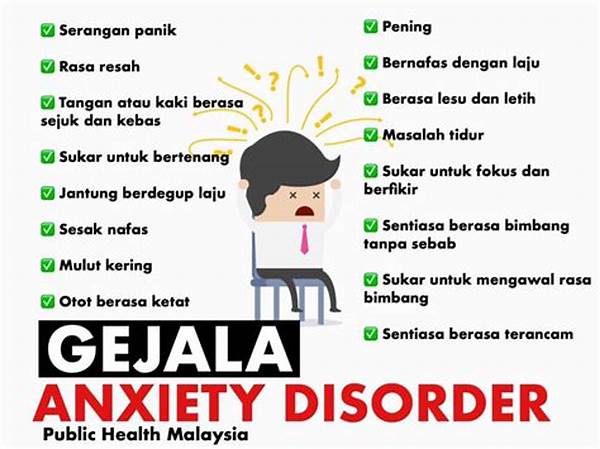
When life throws curveballs we aren’t ready for, it’s easy to feel like we’re snowed under a mountain of stress. Anxiety is more than just temporary worry or fear. It’s a real deal, ready to pop out at the most unexpected moments, leaving you feeling like a deer caught in headlights. Imagine waking up each day with a persistent sense of dread. Your heart races over an impending deadline or a simple social interaction, as if you’re about to step onto a stage without knowing your lines. These are some of the common symptoms of anxiety — a mental health experience that is more than just an occasional stress bomb.
Read More : Eat This, Not That: The 5 Worst Artificial Sweeteners That Trigger Panic Symptoms!
In an inverted pyramid of woes, anxiety disorders rank highly among the most prevalent mental health struggles worldwide. It’s as if the brain is stuck in ‘fight or flight’ mode, never getting the memo that the threat has passed. Picture this: you’re scrolling through social media, trying to relax but instead feeling your palms grow sweaty, and your mind racing with endless “what if” scenarios. Welcome to a day in the life with anxiety. No wonder memes about anxiety are so relatable; humor does make it seem less taboo, after all!
For many, seeking help is the first giant leap towards managing anxiety. Cognitive Behavioral Therapy (CBT), medication, or lifestyle changes can be immensely effective. It’s less about sounding like a late-night infomercial and more about finding the right fit for your personal mental wellness plan. Think of it as shopping for the perfect pair of jeans. It may take several tries, but when you find the one that fits, it’s like finding gold. If their personal experiences are anything to go by, listening to testimonials from people who have found their groove in managing anxiety can be incredibly empowering.
What Causes These Symptoms?
Understanding what drives anxiety symptoms is part detective work, part science. Everyone has their own internal chemistry, and just like a complex recipe, tweaking one ingredient can alter the whole dish. Is it the ever-increasing pressures of modern life, or maybe there’s a genetic predisposition lurking in the DNA shadows? While research pursuits strive to put these mysterious factors into clear focus, there’s no one-size-fits-all. It’s as personal as your Spotify playlist – unique and sometimes unpredictable.
—
Mastering the art of recognizing anxiety symptoms is like having a mental toolkit. Once you know what you’re facing, engaging in proactive management can feel like winning half the battle. At its core, anxiety symptoms can encompass a broad array of reactions, both mentally and physically. The minute signs that appear as knots in your stomach before a big presentation, or the excessive worrying about trivial things, can indicate that your natural stress response is on overdrive.
However, anxiety is a shape-shifter by nature. Some days, it might masquerade as constant fatigue, yet on others, it manifests through dreadful scenarios replaying like a never-ending loop in your head. There’s an entire spectrum to be aware of, turning mind awareness into an essential life skill. They say knowledge is power, so understanding these symptoms is your first step toward reclaiming control. If it feels overwhelming, think of it as learning to ride a bike – awkward at first but a liberating journey once you gain balance and momentum.
As anxiety weaves itself into the fabric of daily life, one point to ponder is the fine line it balances between healthy caution and debilitating worry. While some anxious triggers could be perfectly rational – like a first date or public speaking – others might stem from deeper, less transparent roots. Persevering through this terrain involves deep dives and reflective practices, whether that means charting patterns or engaging with mental health professionals. Remember, it’s less about waving the white flag and more about understanding the battle.
Deep Dive into Symptoms
In dissecting the symptoms of anxiety, it’s pivotal to recognize the body’s stress signals. From increased heart rates and shortness of breath, the physiological responses are akin to being thrust into a survival primer. Meanwhile, psychologically, it may echo persistent apprehensions that invade even the stillest of moments. It’s about acknowledging when the echoed whispers of doubt become too loud to ignore.
Mental health professionals and researchers continue to stoke the curiosity fires with ongoing investigations aiming to unravel these symptoms more thoroughly. Even with the wealth of collective knowledge growing, individual stories remain the beacon for learning. It’s like mapping constellations; each dot (or symptom) adds to the understanding of the larger picture.
Resources for Navigating Anxiety
In this tell-tale journey of deciphering anxiety, various resources can act as compasses. Online communities offer safe havens for connecting with others who share similar experiences. Meanwhile, self-help books and apps work as personal guides, charting mindful methods and therapeutic practices that declutter the mental chaos. As treatments adapt and evolve, so too should one’s understanding of handling anxiety symptoms effectively.
—
A vibrant community thrives on conversations, and when it comes to anxiety symptoms, engaging in open dialogue can be profoundly reassuring. When people share stories, insights, or coping mechanisms, it serves to demystify the cosmic web of anxiety in our day-to-day experiences.
- Understanding Different Anxiety Disorders – Engage in discussions about the variations of anxiety disorders and their specific symptoms.
- Personal Experiences with Anxiety – Share personal tales and anecdotes for mutual understanding and support.
- Coping Mechanisms and Strategies – Explore the effectiveness of various strategies in managing anxiety symptoms.
- Impact of Anxiety on Daily Life – Delve into the personal and professional ramifications of anxiety.
- Therapeutic Advances and Treatments – Keep the conversation alive around the evolving world of anxiety treatments.
- Anxiety in Different Age Groups – Discuss how anxiety presents in children versus adults.
- Creating Supportive Environments – Brainstorm ways to encourage supportive communities for those experiencing anxiety.
- Intersect of Humor and Anxiety – Light-hearted but thoughtful takes on using humor in coping.
Conversational exchanges like these not only broaden community insights but also personalize the anxiety narrative. They empower individuals to explore their personal “why” when grappling with anxiety and encourage a reflective pause in today’s frenetic world.
Investigative Insights into Anxiety Symptoms
The phenomenon of anxiety is like an ever-shifting kaleidoscope – change one element, and the entire perspective evolves. Recognizing anxiety’s multifaceted nature allows for investigative insights into its symptoms. The story doesn’t begin and end with the traditional worries; rather, it asks us to question and analyze the triggers that bring these fears to the forefront. This raises questions about societal trends, technological impact, and lifestyle choices as they continuously redefine anxieties of our time.
Emotional and Rational Perspectives
Tackling anxiety symptoms from diverse viewpoints is akin to launching an expedition into varying terrains – emotionally driven perspectives might focus on the visceral, often overwhelming sensation of impending dread, while a more rational lens emphasizes statistical approaches derived from nuanced research and data. Bridging these perspectives creates a holistic dialogue that is pivotal for deeper understanding and compassion.
—
Unpacking anxiety symptoms requires peeling back layers, much like analyzing a sophisticated piece of art. Each layer unfolds different patterns, intertwined within the mind’s framework. The goal isn’t to decipher at a surface level but to dive into the detailed nuances that characterize the anxiety spectrum.
Anxiety symptoms spill into lifestyle choices, creating ripples across personal narratives. What sparks an anxiety trigger is subjective, and reacting to it needs an inventive toolkit. Borrow tactics from mindfulness, therapeutic art, or dedicated routines that curb overwhelming sensations. This journey of understanding is neither race nor sprint but a marathon, necessitating patience and exploration.
Musing on this topic, it’s valid to argue that anxiety is deeply enmeshed in the societal framework we thrive in. Communication overload, achievement pressures, and digital presence seamlessly contribute to escalating symptoms. Consequently, this fuels an appreciation for analyzing anxiety in contemporary contexts – and therein lies an opportunity for self-awareness and proactive management.
Peer Narratives on Coping
Peer narratives serve as beacons when navigating through anxiety’s intricate maze. Sharing stories isn’t merely cathartic; it’s a bridge connecting shared experiences. Hearing firsthand accounts from voices echoing similar challenges can be transformative. It’s like discovering a beacon of light guiding you through sleepless nights and restless thoughts.
Rational Solutions Meet Emotional Needs
Creating solutions that blend rational clarity with emotional empathy is paramount. Mapping how the mind interprets anxiety fosters awareness, leading to coping mechanisms fitting individual needs. Therapy avenues, self-care routines, or grounding exercises – they become pivotal in managing symptoms while ensuring mental resilience.
—
Explorative discussions about anxiety symptoms reveal insightful knowledge for understanding and managing this mental health condition.
Highlighting Key Anxiety Signals
Recognizing and understanding anxiety symptoms is crucial in identifying anxiety disorders.
- Physical Symptoms – Common signs include increased heart rate, sweating, and muscle tension.
- Emotional Responses – Intense worry, fear, or feeling overwhelmed are tell-tale signs.
- Cognitive Patterns – Persistent “what if” thoughts and unrealistic expectations represent cognitive elements of anxiety.
- Behavioral Changes – Avoidance of situations or tasks that cause stress.
- Social Manifestations – Withdrawal from social activities or public engagements.
- Sleep Disturbances – Difficulties falling asleep due to racing thoughts.
- Digestive Issues – Nausea or unexplained stomach discomfort.
In arming oneself with this information, identifying anxiety symptoms becomes an empowering step toward mastering mental wellness. Embracing both science and intuition creates a balanced framework to address anxiety in its entirety.
Emotional Support Networks and Anxiety
Anxiety thrives in isolation, making it essential to tap into support networks offering emotional outlets. Family, friends, or mental health professionals build the bridge for navigating through anxious episodes. Interpersonal support contributes to a healthier dialogue, effectively combating the isolating nature of anxiety.
Community-Based Resources
Communities flourish when support structures extend beyond individuals. Online forums, local support groups, or counselor sessions access resources essential for shared experiences. Just as an idea needs a platform, anxiety management relies on foundational support networks that shine light on enduring challenges.
—
Every journey of understanding begins with a single step – recognizing anxiety symptoms. This exploration isn’t just about identifying symptoms but also delving into the intricate tapestry weaving anxiety into everyday life. The landscape is diverse, oscillating from mild nervousness to severe, debilitating anxiety. Recognizing these symptoms can bridge those varied experiences, guiding folks toward mindful management.
Facing anxiety’s unpredictable nature might seem daunting. After all, it’s an emotion conditioning the fight-or-flight reaction, watering seeds of doubt against rationality. Identity becomes entangled in the narrative where understanding anxiety symptoms is equivalent to untangling these threads. It’s like solving a jigsaw puzzle, piecing together elements of experience, environment, and emotion.
Furthermore, delving into external triggers reshaping anxiety’s presence introduces valuable insight. Broadened discussions around cultural, social, and technological influences shape contemporary approaches to handling anxiety symptoms. Considering these elements feels like turning pieces of an ever-evolving Rubik’s Cube, constantly redefining the solutions and outcomes for mental well-being.
Integrating storytelling into dialogue not only humanizes the clinical nature often associated with anxiety but crafts relatable narratives making sense of the chaos. Personal anecdotes transform statistics into heartbeats, sketching empathy-driven portraits of shared trials. Illuminating these experiences ignites awareness, acting as critique and catalyst in managing anxiety effectively.
Advancements in Therapeutic Protocols
Advancements in therapy provide a promising horizon for addressing anxiety symptoms. Cognitive-behavioral strategies, coupled with emerging technological interventions, form a comprehensive approach. Guided meditation programs, digital therapy apps, and personalized therapy plans spearhead contemporary solutions, empowering individuals to thrive amidst an anxiety-ridden environment.
Commitment to Continuous Exploration
The quest for understanding anxiety symptoms demands a commitment beyond periodic acknowledgment. A cyclical journey involving learning, unlearning, and relearning molds a flexible mindset crucial for grappling with mental health. Generational shifts in addressing anxiety offer panoramas into each era’s struggles, challenges, and innovative coping pathways – scenarios that encourage continuous exploration and application of newfound understanding.