In our ever-bustling world, where everyone seems to be constantly running against the clock, stress has become a persistent companion for many. As responsibilities mount and to-do lists grow longer, it’s easy to feel the weight of the world pressing down. But what if there was a way to escape this pressure cooker? Enter mindfulness. It’s not just a buzzword; it’s a potent antidote to modern-day stress. Mindfulness exercises are effective, deceptively simple tools that can instantly soothe your mind, reducing stress and, crucially, lowering your heart rate.
Read More : Calm Podcasts Millennials Tune Into To Lower Anxiety
Picture this scenario: you’re in a high-pressure meeting, deadlines are looming, and you can feel your heart pounding in your chest, almost as if it’s trying to leap out. You’re not alone; we’ve all been there. Anxiety in such moments is not just distracting but can lead to severe health consequences if left unchecked. What if you could alleviate that racing heart with just a few moments of deliberate focus and awareness? The concept is akin to having a reset button for your body’s stress response.
In this hustle culture, it’s crucial to stop wasting time: the 3 mindfulness exercises that immediately lower your heart rate are not just life-improving but potentially life-saving. We’re about to explore three specific exercises that don’t require a yoga mat or a dedicated meditation space—they can be practiced almost anywhere, offering a sanctuary of calm amidst chaos. But why are these exercises so effective?
Numerous studies attest to the benefits of mindfulness, with research illustrating its capacity to decrease heart rate, lower blood pressure, and enhance overall well-being. What’s remarkable is that these exercises often require mere minutes. Yes, you read that right! With just a grab of few minutes, you can transition from stress to serenity. So, let’s embark on this journey to reclaim your peace of mind and heart health through mindfulness. Ready to dive into a calmer you?
The Science Behind Mindfulness and Heart Rate
The connection between mindfulness and physiological changes is a topic of growing interest among scientists. When practicing mindfulness, you activate the parasympathetic nervous system, which is responsible for relaxation and restoration. This system triggers a decrease in heart rate and promotes a feeling of calm. Simple exercises like deep breathing, body scanning, and visualization not only focus your mind but also engage this system, leading to rapid physical benefits, often within minutes.
—
The Objective of Practicing Mindfulness
Practicing mindfulness isn’t just about momentary relief from stress; it’s a lifestyle choice that reaps long-term benefits. Regularly engaging in mindfulness exercises helps reduce anxiety symptoms, enhance focus and discipline, and improve emotional resilience. The goal is to cultivate a sense of presence that permeates into your daily routines, resulting in more fulfilling, less stressed living.
Mindfulness also empowers you to gain control over your physiological reactions. When you stop wasting time: the 3 mindfulness exercises that immediately lower your heart rate help you become more attuned to your body’s signals, preparing you to manage stress effectively as it arises. This preemptive approach prevents stress from escalating and becoming problematic.
Consider mindfulness as an investment in your mental capital. Just as physical exercise strengthens muscles, mindfulness exercises enhance emotional intelligence and mental sharpness. The initial aim is to integrate these exercises into your daily schedule gradually. Start small—a few minutes each day—and gradually increase the time as you become comfortable.
The ultimate purpose here is not merely stress reduction but fostering a harmonious relationship between mind and body. When executed correctly, mindfulness can transform your quality of life, bringing about not just peace of mind but also better physical health. This transformation is the ultimate testament to the power of stopping to take a mindful moment.
How Mindfulness Exercises Transform Your Day
Adding mindfulness practice to your routine can dramatically enhance how you face each day’s challenges. These exercises, though seemingly simple, empower you to cultivate clarity and cultivate a strong mindset. Your days no longer feel out of control; instead, you’re equipped with tools to handle whatever comes your way, making these practices a quintessential part of life.
—
Examples of Mindfulness Exercises
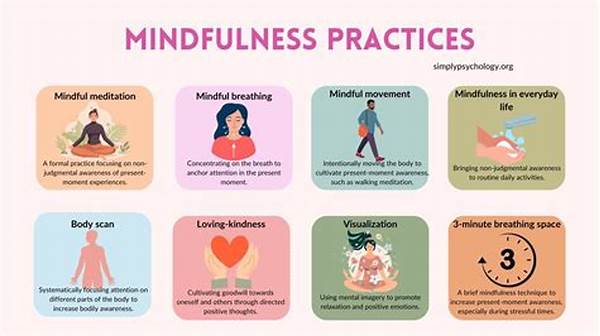
To begin your journey to a calmer mind and body, here are five techniques to incorporate mindfulness into your life:
—
How To Stop Wasting Time: The 3 Mindfulness Exercises That Immediately Lower Your Heart Rate
These exercises serve as effective, easy-to-apply techniques suitable for various settings—be it at work, home, or outdoors, they can transform your stress into a state of peace.
Embracing the power of these exercises is not just an exercise for the mind but a shift towards more meaningful living. Each practice offers a unique path to tranquility, catering to different preferences and lifestyles. Whether you choose to focus on the breath, engage in visualization, or embark on a meditative walk, the benefits are undeniable.
Incorporating these mindfulness strategies regularly means arming yourself against daily stressors with a convenient, cost-effective instrument for inner peace. Stop wasting time: the 3 mindfulness exercises that immediately lower your heart rate offer an opportunity to reclaim control over your physiological response purely through deliberate attention and mindful presence—no extra gadgets or apps needed.
The Daily Routine of Mindfulness
Start implementing these exercises with just five minutes a day. Integrate them into your routine, gradually increasing the duration as you grow more accustomed to the practice. These exercises don’t demand rigorous time investment but promise substantial health rewards.
Allow mindfulness to not just be a practice but evolve into a lifestyle choice that enriches your existence. By integrating these few minutes of extreme focus, your day transforms from being overwhelmed to embracing a composed sense of alertness and calm.
—
To paint a vivid picture of how mindfulness can transform your life, here are five compelling illustrations:
These metaphoric illustrations serve as guiding imagery, making the abstract concept of mindfulness more tangible and easier to relate to. The visualization aids in anchoring meditation and exercising the mind’s eye, supporting the effectiveness of mindfulness exercises. By embracing these concepts, you not only visualize relief but embody it.
In summary, learning mindfulness is akin to acquiring a new skill—a capability that enriches your daily life while safeguarding against stress-induced adversities. Let’s commit to stopping the cycle of stress and start embracing mindfulness as an integral part of our lives.
—
Why Mindfulness Matters
Incorporating mindfulness into daily activities can drastically change your day-to-day experience, making mundane tasks more rewarding and efficient. It fosters a deep appreciation for the present, redirecting focus to the here and now rather than lingering on past troubles or future anxieties.
Regular engagement in mindfulness exercises impacts mental resilience positively. For instance, when faced with challenging scenarios—a heated argument or a bus running late—you can respond with a calm, centered mind rather than with reactive stress. It enhances patience and compassion, traits that improve interpersonal relationships and contribute to overall well-being.
Indeed, mindfulness doesn’t require an overhaul of your life. Instead, it offers subtle but remarkable ways to enhance your existing routine. While mindfulness can sound abstract, its practical implications are straightforward and easy to implement. By evoking simple awareness, you open yourself to an enriched existence, one that not only fulfills but also inspires those around you.
Steps Towards an Integrated Mindful Lifestyle
By committing to these mindful practices, you train your mind to stay present, enhancing your life quality holistically. Adopting this mindset involves an ongoing journey, but one imbued with positivity, awareness, and enriched insights into daily experiences. Each moment captured in mindfulness is a step towards a healthier, more balanced existence.