Arti Burnout Adalah
In the bustling world of deadlines, responsibilities, and endless to-do lists, many of us find ourselves battling a creeping sense of exhaustion. Welcome to the world of burnout, a phrase that has increasingly become a fixture in today’s work and lifestyle vocabulary. But the important question is, what exactly is burnout, and more significantly, how does it affect us? In exploring the question “arti burnout adalah,” or “the meaning of burnout is,” it’s crucial to understand its implications on our well-being and productivity. This article unveils the layers surrounding burnout, offering insights and perhaps a touch of humor amidst the seriousness to engage and educate our readers.
Read More : Why Millennials Are Turning To Wellness Apps Against Burnout
Burnout is not just about being tired; it’s an overwhelming state of emotional, physical, and mental exhaustion caused by excessive and prolonged stress. When you feel burnt out, you might notice that motivation has vanished, efficiency has dipped, and you feel drained without apparent cause. Intriguingly, while burnout primarily relates to work, it can permeate other aspects of life, including personal relationships. The journey through understanding what burnout truly means is enlightening, offering a unique selling point to identify, strategize, and mitigate its impacts.
Understanding The Real Impact
Feeling that you’re not alone can be comforting; after all, burnout doesn’t discriminate. From top executives to fresh graduates, the battle with burnout is universal. The essence of understanding “arti burnout adalah” translates to more than mere awareness – it’s about taking actionable steps towards recovery and prevention. By understanding the nuances of burnout, you empower yourself to recognize early signs, paving the way for proactive measures that support mental well-being and promote a healthier work-life balance.
Pengenalan: Understanding Burnout In Modern Society
In today’s fast-paced world, burnout has become a common concern, recognized not only as a workplace phenomenon but as a broader societal challenge. The term, which translates to “arti burnout adalah” in Indonesian, holds significant weight as it encapsulates the profound impact of chronic stress on individuals. To fully grasp the implications, it’s essential to dissect what burnout truly means and how it affects us on multiple levels.
The Rise of Burnout
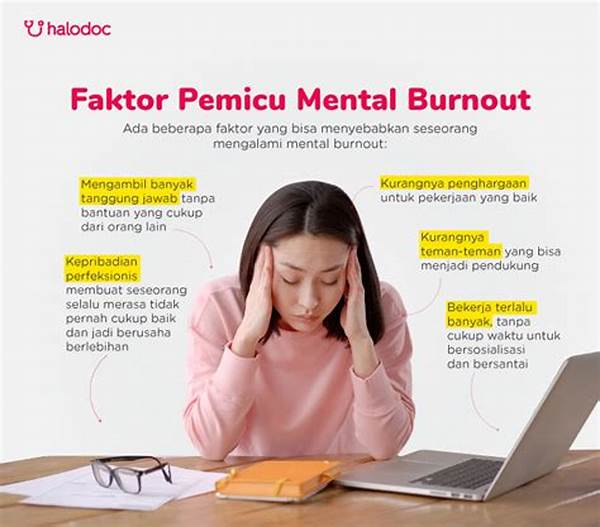
The rise of burnout as a mainstream issue is attributed to several factors including the relentless pace of modern life, the digital age’s 24/7 connectivity, and increasingly blurred boundaries between work and personal life. This condition, defined by its emotional, physical, and mental toll, is more than just feeling overworked. Understanding “arti burnout adalah” involves acknowledging how pervasive the issue has become and why it demands our urgent attention.
Symptoms and Signs
Identifying burnout can be tricky as its symptoms often overlap with general stress indicators. However, key signs include a sense of overwhelming fatigue, detachment from work, and a reduction in professional efficacy. Recognizing that “arti burnout adalah” involves these specific symptoms can help individuals and organizations take timely steps toward intervention and support. Initiating open discussions about burnout within communities can foster an environment of understanding and proactive care.
Societal Impact
Beyond the individual, burnout has significant implications for society at large. Companies face decreased productivity, higher turnover rates, and increased healthcare costs. Moreover, burnout contributes to a broader societal level of discontent and stress. Addressing “arti burnout adalah” within a societal context highlights the need for systemic change, advocating for healthier workplace policies, and encouraging a societal shift towards valuing mental health as much as physical health.
In conclusion, understanding “arti burnout adalah” is crucial in addressing the widespread impact it has in different facets of life, from the personal to the professional.
Top 10 Topics Related to “Arti Burnout Adalah”
Structuring an Effective Approach to Burnout
Addressing burnout effectively requires a well-structured approach. The issue of burnout is multifaceted; hence, dealing with it involves understanding its source, recognizing its impact, and implementing strategies for management. Each part plays a crucial role in ensuring that individuals and organizations can effectively combat burnout and mitigate its effects in the long run.
Recognizing the signs of burnout early is beneficial. By acknowledging what constitutes burnout, individuals can gain insights into their emotional and physical states, motivating them to seek assistance. This preventative strategy serves as a foundation for building resilience and promoting long-term well-being.
Providing Support Systems
Having robust support systems in place is essential in mitigating burnout. This involves workplaces taking active measures to provide mental health resources, facilitating open communications, and promoting a culture that values work-life balance. Organizations and individuals alike benefit from understanding “arti burnout adalah” and implementing supportive measures.
Tips on Managing Burnout
Practical Tips to Combat Burnout: Strategies for Wellness
Burnout requires a committed approach for effective management. Recognizing the various forms it takes and preparing strategies to prevent exhaustion is vital for maintaining health and productivity. Implementing these tips can provide relief and enhance well-being.
Celebrating Small Victories
Each step toward mitigating burnout should be celebrated as a positive move towards a healthier lifestyle. Understanding “arti burnout adalah” can lead to realizing the importance of self-care and balance, ensuring that life is lived to its fullest and healthiest capacity.