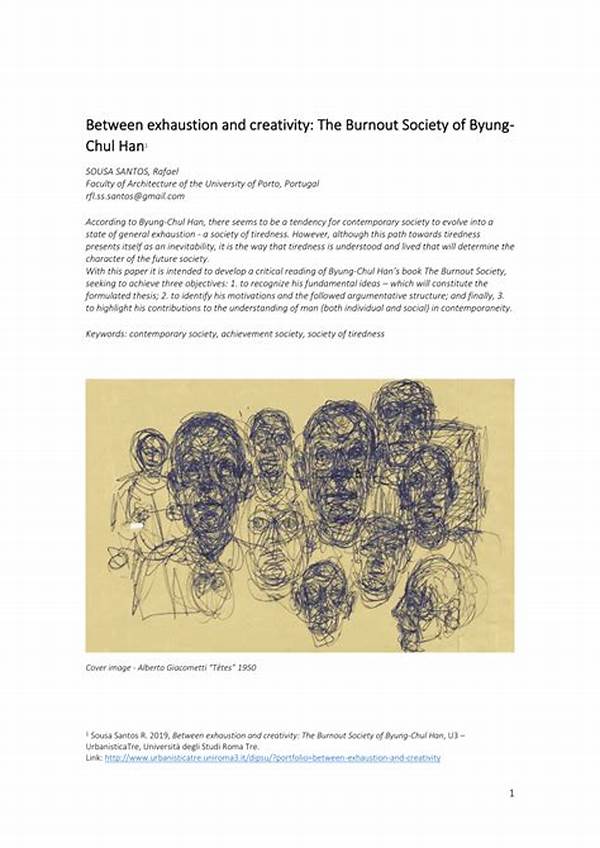
Burnout and creativity: these two concepts might seem like distant relatives, but they’re often more interconnected than we realize. In today’s fast-paced world, creativity is hailed as one of the most valuable currencies. Whether you’re an entrepreneur, an artist, or a software developer, generating new and innovative ideas is crucial to staying ahead of the curve. Yet, the unfortunate truth is that burnout, characterized by chronic fatigue, detachment, and inefficacy, can severely hamper our creative abilities.
Read More : The Fake Productivity: Why Busywork Is The Enemy Of True Accomplishment!
Imagine pouring from an empty cup; this is what attempting to be creative while burned out feels like. When we’re physically, emotionally, and mentally tapped out, the last thing our brains prioritize is innovation. This can lead to a frustrating cycle: the more burned out you are, the less creative you become, and the more stressed you feel about not being able to generate creative solutions – thus exacerbating your burnout. You’re not just feeling over-exhausted; you’re caught in a vortex where your creative spark is extinguished by the very effort to rekindle it.
Let’s dive deeper into this fascinating dynamic between burnout and creativity: the surprising link between exhaustion and loss of idea generation. We’ll explore why burnout acts as a creativity-killer, how understanding this link can empower us to break free from its clutches, and practical steps you can take to restore your creative energy. This isn’t just about understanding the problem; it’s about finding solutions that work in real life.
Exploring the Dynamics Between Burnout and Creativity
Firstly, it’s important to recognize that creativity requires a safe and nurturing environment. Our brains need tranquility to wander freely and make unexpected connections. Yet, burnout is like a storm that uproots this tranquility. It’s no surprise that amid exhaustion, anxiety, and emotional depletion, idea generation takes a nosedive. Research has shown that high stress levels can lead to a decrease in divergent thinking—a key ingredient of creative problem-solving.
A treadmill of deadlines might seem productive, but if it leads to burnout, it’ll ultimately rob you of the creative edge you seek. Pushing past physical and mental limits often results in diminishing returns. While isolated breaks might offer momentary relief, they’re seldom enough for a complete creative reboot. The surprising link between exhaustion and loss of idea generation lies in our fundamental misunderstanding of how creativity flourishes under the right conditions and how burnout suffocates it.
The solution? A strategic shift towards recognizing and respecting our limits. This might mean setting clear boundaries to improve work-life harmony, intentionally scheduling downtime, and embracing activities that have nothing to do with productivity but everything to do with joy. In understanding the burnout and creativity dilemma, there’s an invitation to revolutionize how we view the relationship between rest, work, and innovation.
—
Objective Exploration of Burnout and Creativity Dynamics
It’s essential to unpack why and how burnout affects creativity so profoundly, and what you can do to change this narrative. This isn’t just an inspiring message; it’s a call to action for those wishing to reclaim their creative prowess from the grips of exhaustion. The focus here is on long-term solutions rather than quick fixes.
Understanding the signs: Identifying burnout isn’t always straightforward, especially since it can masquerade as mere stress. But chronic feelings of helplessness, emotional detachment from work or activities once loved, and a sense of inefficacy are red flags worthy of immediate attention.
Why Burnout Negates Creativity
Burnout doesn’t just zap physical energy; it erodes emotional reserves and stifles cognitive flexibility. Our brain prefers routine when under pressure, turning to default modes of thinking that thwart innovation. This is burnout’s silent sabotage on creativity.
Navigating recovery: Rebuilding creative capacity means more than catching up on sleep or taking occasional breaks. It involves holistic recuperation strategies, comprehensively addressing physical, emotional, and mental exhaustion. Activities like mindful meditation, pursuing hobbies purely for pleasure, and fostering meaningful connections contribute significantly to this healing process.
Creating a Resilient Creative Mindset
Rewiring your work-life integration for sustained creativity is pivotal. Integrate rest into your schedule as a non-negotiable and treat creativity as a renewable resource that flourishes with care and attention.
The symbiosis between self-care and creative productivity should not be underestimated. Not merely about avoiding burnout but about cultivating a lifestyle that naturally encourages creative exploration.
These insights into burnout and creativity: the surprising link between exhaustion and loss of idea generation, underscore the importance of intentional awareness and recalibration of our routine. Implementing these strategies fosters not just recovery, but also a fertile ground where creativity can thrive unencumbered.
—
Discussions on Burnout and Creativity
Objectives in Addressing Burnout and Creativity
Creative individuals thrive on new ideas, but sustaining this flow amid exhaustion is challenging. Herein lies the significance of understanding burnout and creativity: the surprising link between exhaustion and loss of idea generation. To counteract this, it is vital to cultivate practices that balance work demands with personal well-being.
One cannot overemphasize the importance of organizational support in combating burnout. Employers should foster environments that encourage breaks, flexibility, and mental health awareness. Promoting activities such as team-building sessions focused on creativity can be a game-changer.
By recognizing and mitigating burnout, individuals can reclaim their inventive spark and creativity. Practical steps include establishing work-life boundaries, engaging in leisure activities, and practicing self-compassion. Thus, the potential burnout on creativity isn’t merely a hurdle but an opportunity for meaningful change in our approach to work and innovation.