- Understanding the Causes of Burnout Mahasiswa
- Strategies to Prevent Burnout Mahasiswa
- Creating a Supportive Educational Environment
- The Role of Technology and Innovation in Addressing Burnout
- Long-Term Goals to Minimize Burnout Mahasiswa
- Recognizing Student Achievements Beyond Academia
- Encouraging Open Dialogues and Feedback Loops
- The Path Forward: Burnout Mahasiswa and Institutional Innovation
- Building a Structured Approach to Addressing Burnout
- The Impact of Excessive Academic Pressure on Burnout Mahasiswa
- Reimagining the Academic Landscape for Reduced Stress
- Building Personal Resilience Against Burnout Mahasiswa
- Analyzing Research and Real-World Implications
- Eight Tips to Combat Burnout Mahasiswa
- Comprehensive Insights on Burnout Mahasiswa
Burnout Mahasiswa: Navigating the Academic Avalanche
Read More : How To Create A Burnout Safe Space At Home
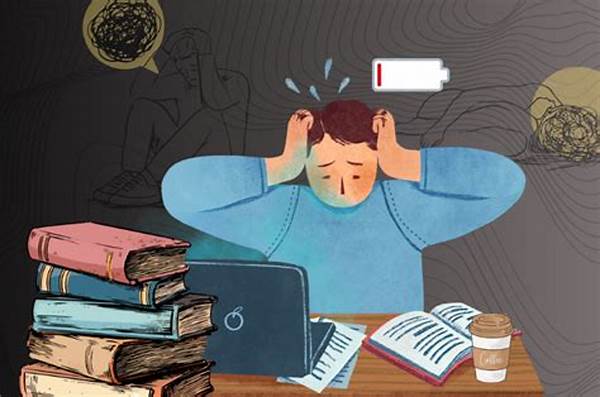
In the vibrant world of academia, students are often painted as the eager and optimistic individuals who are ready to conquer mountains of knowledge. However, a hidden nemesis lurks beneath this picturesque depiction: burnout mahasiswa. This silent epidemic is engulfing the student community, leaving them feeling drained, overwhelmed, and often questioning their academic pursuits. Burnout mahasiswa is not just about feeling tired after a night of cramming; it’s an emotional, physical, and mental exhaustion that stems from prolonged stress and frustration. Imagine trudging through a never-ending to-do list while juggling assignments, exams, extra-curricular activities, and perhaps part-time work. It’s no wonder that students today find themselves on the brink of burnout.
Fueled by the relentless pressure to excel academically, socially, and even personally, the phenomenon of burnout mahasiswa reflects a call that needs intervention and attention. Recent studies indicate that up to 50% of college students experience burnout at some point in their academic careers. These statistics are not just numbers; they represent countless sleepless nights, tears of frustration, and moments of feeling like the weight of the world is on their shoulders. The pressing need to address this issue is accompanied by the necessity for universities, educators, and even peers to recognize the signs and symptoms of burnout, develop coping strategies, and implement preventive measures. Identifying this condition and understanding its impact is the first step toward transforming the educational experience into a more balanced and life-affirming journey.
As we dive deeper into the world of burnout mahasiswa, we’ll explore not only the causes and consequences but also effective strategies and resources to combat this pervasive issue.
Understanding the Causes of Burnout Mahasiswa
Burnout mahasiswa often stems from a cocktail of overwhelming responsibilities. Many students face intense academic pressures to maintain high grades, secure internships, and build impressive resumes. This academic rigor is compounded by social pressure and, for some, financial stress. Students juggle multiple roles, and the expectation to excel in each can lead to chronic stress. The internet and social media also play a dual role, providing necessary academic resources while simultaneously acting as a source of distraction and anxiety.
Strategies to Prevent Burnout Mahasiswa
Preventing burnout mahasiswa requires proactive measures: setting realistic goals, practicing time-management skills, and understanding personal limits. Universities can contribute by offering mental health resources, organizing stress-relief events, and promoting a culture that values well-being over performance. Students should also be encouraged to reach out for help, be it through counseling services or peer support networks. Prioritizing self-care and leisure activities is crucial. Remember, recharging is as important as working hard.
—Goals to Combat Burnout Mahasiswa
The growing epidemic of burnout mahasiswa calls for an actionable plan centered on enhancing student wellness and mental health support. The ultimate goal is to foster an educational environment where students are not just surviving but thriving.
Creating a Supportive Educational Environment
Burnout mahasiswa thrives in environments that are excessively demanding without offering adequate support. Thus, the first goal is to create an educational atmosphere where students feel supported rather than overwhelmed. Educational institutions need to review their curricula, assessing not only the academic rigor but also the emotional and mental load they place on students. Encouraging open discussions about mental health, reducing stigma, and providing accessibility to counseling services should be integral components of the academic structure. In essence, fostering an inclusive community where mental health is prioritized can shift the narrative from mere academic survival to genuine personal growth.
The Role of Technology and Innovation in Addressing Burnout
While technology can contribute to burnout mahasiswa, it also holds the key to alleviating it. By leveraging innovative tools, universities and colleges can offer flexible learning options, such as recorded lectures and online resources, to accommodate various learning styles and paces. Additionally, technology can facilitate better communication channels between faculty and students, ensuring feedback is timely and constructive. By integrating technology as an ally rather than an adversary, institutions can support students in balancing academic obligations with personal life, reducing the chance of burnout.
Embracing a Holistic Approach
Adopting a holistic approach where academic, emotional, and social wellbeing are integrated aims to equip students with necessary life skills, not just academic ones. Curriculums should include components that teach stress management, emotional intelligence, and resilience. Encouraging participation in extracurricular activities can also provide a much-needed break from academic duties, fostering skills such as teamwork and leadership in low-pressure environments. By addressing the whole student, educational institutions offer a more enriching experience that values personal development alongside academic success.
Long-Term Goals to Minimize Burnout Mahasiswa
Recognizing Student Achievements Beyond Academia
Students need to understand that their worth isn’t solely determined by their academic performances. Educational institutions can adopt policies that acknowledge and celebrate diverse achievements, encouraging students to venture beyond textbooks. Promoting non-academic competitions, research projects, or volunteering opportunities can inspire students to pursue passions without fear of sacrificing their academic goals. Recognizing achievements in diverse areas cultivates a balanced view of success.
Encouraging Open Dialogues and Feedback Loops
Creating platforms where students can voice their concerns and feedback without hesitation will help educational administrators better align resources and strategies with actual student needs. Anonymous surveys and focus groups can generate vital insights into student well-being, informing policy adjustments and new initiatives. This approach rewards institutions with the agility to adapt, providing environments that steadily improve based on real-world student experiences.
The Path Forward: Burnout Mahasiswa and Institutional Innovation
The roadmap to combating burnout mahasiswa requires consistent innovation and adaptation. As educational landscapes evolve, so must the approaches to mitigate student burnout. Encouraging cross-institutional collaborations can exchange best practices, ensuring a unified approach to student wellness globally. By adopting these goals, educational institutions not only prevent burnout but uplift and inspire the next generation of thinkers, leaders, and innovators.
—Exploring Related Topics on Burnout Mahasiswa
Key subjects surrounding burnout mahasiswa offer deeper insights and solutions. Consider:
Building a Structured Approach to Addressing Burnout
A structured approach to tackling burnout mahasiswa should be comprehensive yet adaptable. Begin by identifying the specific stressors unique to your educational setting. Engage with students through surveys and discussion forums to gather diverse perspectives. This investigative method allows a nuanced understanding of burnout’s impact on your community. With this foundational knowledge, develop specific interventions tailored to your findings. Consider starting with pilot programs focused on stress relief and mindfulness, then expand successful strategies institution-wide. Flexibility is crucial, as student needs and academic demands evolve. Continuously assess the efficacy of initiatives, remaining open to feedback and innovation. Supporting students in navigating their educational journeys without succumbing to burnout is a collective effort, demanding commitment, creativity, and compassion from all educational stakeholders.
By tackling burnout mahasiswa with purpose and precision, there’s an opportunity to foster a nurturing academic environment that champions both intellectual and emotional prosperity.
The Impact of Excessive Academic Pressure on Burnout Mahasiswa
In recent years, the emphasis on academic achievement has skyrocketed, pushing students to their limits and inevitably leading to burnout mahasiswa. The race to maintain perfect grades, secure prestigious internships, and participate in extracurricular activities is relentless. This immense pressure often leaves students feeling trapped in a cycle where they’re constantly fighting against the clock. The fear of failure and the stigma attached to underperformance drive students to engage in unhealthy habits, such as cutting down on sleep and neglecting their mental and physical well-being. This all-consuming focus on academics not only fuels burnout but diminishes the joy of learning. A recalibration in academic expectations, focusing on holistic development, can alleviate the burden and enhance the educational experience.
Reimagining the Academic Landscape for Reduced Stress
The education system, as it stands, requires a paradigm shift to reduce burnout mahasiswa. Institutions should prioritize creating more flexible academic curriculums, allowing students the option to choose courses that not only meet graduation requirements but also enrich their personal interests. Encouraging interdisciplinary studies and experiential learning can ignite passion and creativity, elements often lost in traditional learning environments. Moreover, adopting a pass-fail grading system for certain non-core subjects could alleviate stress associated with maintaining GPAs, thereby reducing burnout.
Cultivating a Support System within Campus Communities
Fostering a strong support system on campus can significantly mitigate burnout mahasiswa. Peer mentoring programs, where senior students guide their juniors, can provide much-needed perspective and encouragement. Establishing buddy systems and small study groups can also foster a sense of community and reduce isolation. Additionally, involving faculty members in welfare activities, such as informal meet-ups or mental health workshops, can strengthen student-faculty relationships and break down hierarchical barriers.
Building Personal Resilience Against Burnout Mahasiswa
Teaching students resilience skills plays an essential role in combating burnout mahasiswa. Counseling services should offer workshops focused on emotional intelligence, time management, and stress reduction techniques. Encouraging students to engage in activities outside academics, like sports or creative arts, promotes a healthier balance, offering outlets for self-expression and relaxation. Mindfulness meditation sessions and guided yoga practices can also be integrated into campus wellness programs, supporting students in managing anxiety.
Analyzing Research and Real-World Implications
Research on burnout mahasiswa continually reveals its widespread impact, prompting a reevaluation of educational frameworks globally. A study by the National University Consortium reported that 60% of students experience considerable stress levels, underscoring the urgent need for reform. By learning from other institutions that have successfully implemented burnout prevention strategies, schools can adopt proven methodologies while tailoring approaches to fit their unique environment. The overarching goal is to empower students to navigate academic pressures without compromising their mental and emotional health.
Through collective awareness and actionable change, burnout mahasiswa can be significantly reduced, paving the way for a more enriching and rewarding educational journey.
—
Eight Tips to Combat Burnout Mahasiswa
A proactive approach is key to tackling burnout mahasiswa. Here are some practical tips:
Comprehensive Insights on Burnout Mahasiswa
In contrast to superficial solutions, the battle against burnout mahasiswa requires deliberate, multifaceted strategies. It’s about creating substantial shifts in mindset and system-level changes. Educational institutions must lead the charge by implementing policies and facilitating programs that emphasize mental health awareness and resource accessibility. Students, on their part, should embrace a culture of seeking help, engaging openly about academic pressures, and encouraging mental wellness dialogues among peers.
Burnout mahasiswa is not merely an individual’s concern but a community responsibility. Everyone has a role in nurturing a supportive campus environment, where students are empowered to strive for academic achievements without jeopardizing their well-being. By recognizing the signs early and employing preventive strategies, the journey through university can be transformed into a more fulfilling and less stressful chapter in a student’s life. The focus must be on balance, adaptability, and understanding that academic success should not come at the cost of personal happiness and health. With united efforts, the ultimate goal is to reduce burnout mahasiswa, offering students an enriched academic voyage and preparing them for a balanced life beyond campus confines.