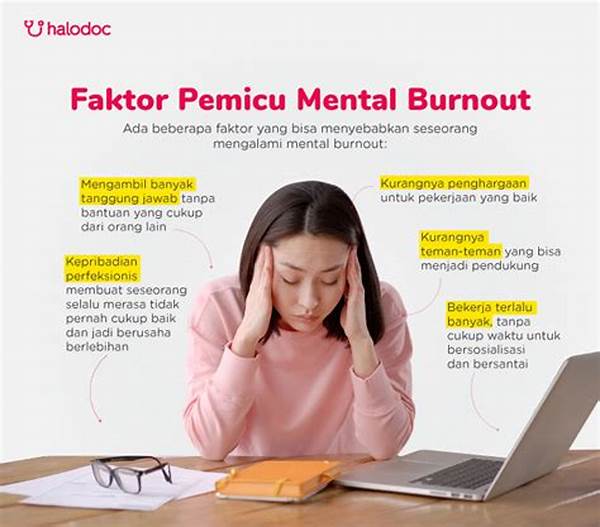
In today’s fast-paced world, stress and chronic exhaustion have become familiar companions for many of us. “Mental burnout adalah,” or mental burnout, is a term that encapsulates the state of emotional, mental, and physical exhaustion caused by excessive and prolonged stress. It’s the feeling of being swamped by obligations, where the fire that once fueled your ambitions seems to fizzle out. This condition is especially prevalent in high-pressure jobs, demanding family roles, and environments that provide little rest or support.
Read More : What Is Burnout
Burnout doesn’t strike like a bolt of lightning. It creeps in, gradually chipping away at your motivation and good spirits. One day, you wake up to realize that the tasks you used to tackle with vigour now seem overwhelming. While many attribute this to weakness, research shows it’s a response to unavoidable stressors. You start to alienate yourself socially, snap at the smallest of irritations, and find genuine rest to be elusive. Hard-hitting as it is, mental burnout is not an invincible dragon. Recognizing the causes and symptoms, such as fatigue, cynicism, and reduced professional capability, is the first step toward reclaiming your zest for life.
Recognizing Signs of Mental Burnout
Understanding that mental burnout is a real phenomenon is crucial. Imagine waking up each day only to be welcomed by a sense of despair, knowing you’re stuck in a cycle that perpetuates the very thing you’re trying to escape. People often mistake burnout for stress, but it’s a much deeper and draining experience.
Embracing healthy boundaries, learning the word “no,” and planning for periods of rest can counteract the draining effects. Experts suggest hobbies, social connections, and physical activities as vital anchors. Remember, mental burnout is not a sign of failure—it’s an indication that it’s time to change your approach.
—
What is Mental Burnout?
In an age where constant productivity is valued, mental burnout is a reality that many face. The term itself might sound like an exaggeration, almost a myth whispered in office corridors. However, it is more fact than fiction, taking a significant toll on one’s health and well-being. Mental burnout is a silent epidemic affecting professionals across the globe. It’s the slow burn that extinguishes the zest for achievement, leaving behind a gray ash of motivation.
Empirical studies have shown that prolonged exposure to stress is a major contributor. A lack of control at work, unclear job expectations, dysfunctional workplace dynamics, and work-life imbalance are significant culprits. People don’t just get ‘burned out’ — it is an accumulation of little unexplored stressors manifesting into a tangible problem. How do you spot it before it’s too late? Look out for symptoms like fatigue, forgetfulness, physical illnesses, and a growing sense of detachment from work.
Preventing Mental Burnout
Implementing proactive strategies can mitigate these symptoms. Encourage regular breaks, cultivate a supportive work environment, and prioritize mental health like you would physical health. Promote open communication at home and at work to alleviate feelings of isolation. Self-care isn’t just about spa days or indulgent shopping sprees; it’s about setting aside time to recharge and getting adequate sleep. This isn’t merely a health tip; it’s a necessity.
Many leading companies are adopting mental health days, flexible work arrangements, and wellness programs. They’ve recognized that a burned-out workforce is not just unproductive, but unsustainable. Beyond corporate solutions, individuals must also take responsibility for their mental health. Avoid mixing work and leisure — learn to switch off your professional mode and switch on your personal one.
Goals Related to Mental Burnout adalah
—“Mental burnout adalah” reflects a serious condition, not to be taken lightly. While some may joke about needing a vacation or buying that new gadget to ‘cure’ their burnout, it’s not that simple. Recognizing the sources of mental exhaustion, such as demanding jobs, lack of desired results despite hard work, and unclear expectations, is pivotal to overcoming it.
But what happens if it’s left unchecked? Consequences aren’t just limited to a decline in job performance. It can lead to severe anxiety disorders, depression, and even chronic health issues. Some individuals resort to maladaptive coping mechanisms like substance abuse or compulsive behavior. These aren’t solutions but temporary escapes with long-term repercussions. Understanding that help is available is essential—whether through therapy, career coaching, or restructuring one’s work environment.
Managing stress in healthier ways is obtainable. It takes conscious, persistent effort, and sometimes professional guidance. Start by identifying your stressors, track them, and develop a plan to address them. Don’t underestimate the power of talking to a confidant or a mental health professional. Often, sharing your troubles lifts the heaviness of isolation, offering fresh perspectives and solutions.
Pursuing Healthier Work-Life Integration
Align your professional goals with personal values and aspirations. Celebrate small victories and learn to forgive yourself for mistakes. Remember, asking for help isn’t a sign of weakness but a step toward reclaiming control. Learning to cope with not only the demands you encounter but the unconscious expectations you place upon yourself is a skill that can turn the tide in your favour.
—
Best not to navigate these stormy waters alone. Here are some actionable tips:
1. Set Clear Boundaries between work and personal life.
2. Prioritize Breaks during the workday to refresh your mind.
3. Exercise Regularly to promote mental and physical well-being.
4. Practice Mindfulness through meditation or yoga.
5. Develop a Support Network of family and friends.
6. Seek Professional Help if needed.
7. Engage in Hobbies that bring joy and relaxation.
8. Set Realistic Goals and manage expectations.
9. Sleep Well consistently, maintaining a regular sleep pattern.
10. Practice Gratitude and celebrate small victories.
Embrace these changes to experience revitalization. Taking charge of your mental overload can lead to not just surviving but thriving. By inviting these practices into your life, you’ll lay groundwork for not only repairing your current state but fortifying against future burnout. Remember, the goal is sustainable well-being, not just temporary relief. Are you ready to take back control?
—
Short Mental Burnout adalah Article
The phrase “mental burnout adalah” describes a condition many professionals face today. You rise with the sun—eager, ambitious, poised to tick off that never-ending to-do list. But somewhere along the way, mental exhaustion creeps in, uninvited yet familiar, leaving you wondering where your passion has disappeared.
In a world where success equates to constant hustle, burnout isn’t merely an obstacle but a predictable aftermath. Imagine running a marathon without the hope of a finish line. That’s the draining loop one finds themselves trapped in when dealing with mental burnout. It’s when your mind signals that the relentless pace has become unsustainable.
Understanding Mental Burnout adalah
Acknowledging the signs is essential. If ignored, burnout escalates into severe mental health issues. Yet it’s crucial to know you are not alone; it’s a widespread phenomenon with valid causes—often linked to workplace pressures, constant connectivity, and personal expectations. Talking openly about these struggles should become normalized. Silence only fuels the fire of this numbing fatigue.
Combating Mental Burnout
So, what’s the way forward? Finding a balance between ambition and well-being is fundamental. Invest in time management strategies, nurture your hobbies, and lean on your support network. Whether it’s dancing to your favorite tune in the solace of your living room, or sharing a burdened cup of coffee chat with a friend—every little act helps shift the scales toward equilibrium.
Embarking on this journey towards rehabilitation demands persistence. But in reclaiming control, you’re not just sidestepping burnout; you’re paving a sustainable path forward. Attending to your mental well-being is ongoing—an art you sculpt daily to ensure that life isn’t just endured but savoured.