- Unlocking Meditation’s Secret to Energy Enhancement
- Meditation vs. Napping: A Detailed Comparison
- The Proven Benefits of Meditation on Mental Clarity
- Purpose: Why Meditation Tops Napping for Sustained Energy
- Stories and Statistics: Meditation’s Real-World Impact
- The #1 Science-Backed Reason Why Meditation Is Better Than Napping for Energy!
- How Meditation Transcends Traditional Relaxation Techniques
- Making Meditation a Part of Your Energy-Enhancing Routine
- Transformative Testimonials: The Power of Regular Practice
- 10 Real-Life Examples Representing the Benefits of Meditation over Napping
- The Science Behind Meditation and Energy
- Advantages of Meditation Over Napping
In our fast-paced world, energy is the new currency. We hustle from dawn till dusk, juggling work commitments, social obligations, and personal projects. Amidst this chaos, fatigue inevitably creeps in, often when we least expect it. While a quick nap seems like the perfect solution to recharge, science suggests that there might be a more effective alternative: meditation. But why should you consider trading in your nap time for a few minutes of mindfulness? It seems counterintuitive, doesn’t it? After all, nothing quite matches the sweet, soulful surrender of an afternoon snooze. Dreams can whisk us away to fantastical realms, far from the relentless realities of emails and deadlines. However, when it comes to reviving your cognitive alertness and overall vitality, meditation may pack a more potent punch.
Read More : How Meditation Helps You Stick To Fasting Routines
Imagine a power boost that doesn’t require you to find a couch or set an alarm. Unlike napping, which often leaves us groggy and disoriented (a phenomenon known as sleep inertia), meditation promotes a state of relaxation and awareness. It’s like a mental reboot, refreshing your mind without the side effects of feeling sluggish. Intrigued yet? Many studies back up this claim, revealing that meditation can significantly enhance alertness, reduce stress, and increase overall well-being. The art of focusing inward rewires your brain, creating a sanctuary of calm even amid a storm of chaos. It’s not just a fad; it’s a phenomenon steeped in science.
Ready to embark on a journey towards sustained energy and mental clarity? Then read on as we unravel the compelling truth behind the #1 science-backed reason why meditation is better than napping for energy! This article will explore this question through stories, testimonies, and a touch of humor. Let’s dive in.
Unlocking Meditation’s Secret to Energy Enhancement
One of the most captivating aspects of meditation is its ability to optimize your body’s energy balance. Think of your energy levels as a bank account. Napping allows you to make a deposit, but meditation teaches you how to spend wisely, enhancing your energy output while minimizing unnecessary waste. By cultivating mindfulness, you’re training your brain to manage stress better, leading to less energy depletion and more vitality over time. The #1 science-backed reason why meditation is better than napping for energy lies here: efficiency. It’s not always about the amount, but about how well this energy is utilized throughout the day.
Meditation vs. Napping: A Detailed Comparison
When considering a nap, you gamble with sleep cycles—wake up in the middle of one, and you’re doomed to drag through those next few hours. Meditation, on the other hand, circumvents this cycle trap entirely. It enables you to experience relaxation akin to sleep without the risk of inertia. Scientific analysis reveals that a single session of meditation can markedly improve attention and performance, often outperforming a 20-minute nap. Importantly, however, meditation also reduces cortisol levels, which is your body’s principal stress hormone. Less stress means less energy drain, providing a sustainable solution in navigating life’s marathon rather than sprinting through the day, only to collapse prematurely.
The Proven Benefits of Meditation on Mental Clarity
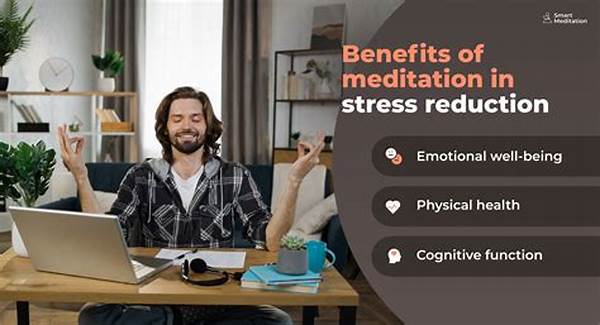
The #1 science-backed reason why meditation is better than napping for energy is that it not only fuels your mental and physical stamina but also sharpens mental acuity. By fostering neuroplasticity—the brain’s ability to reorganize itself—meditation boosts cognitive function. This means greater clarity, enhanced problem-solving skills, and improved memory recall. It also fosters emotional well-being. Balanced emotions mean a focused mind, making everyday tasks less burdensome and more rewarding.
Purpose: Why Meditation Tops Napping for Sustained Energy
Stories and Statistics: Meditation’s Real-World Impact
Meditation has steadily climbed the wellness ladder, garnering endorsements from celebrities, executives, and everyday individuals seeking an energy boost without caffeine cravings. Why has this ancient practice captivated modern minds? Because the evidence is irrefutable. Numerous accounts highlight dramatic personal transformations attributed to regular meditation. Yet, beyond anecdotally powerful testimonies, statistical data supports meditation’s immense impact. For instance, a study conducted by the University of Waterloo found participants who meditated for just 10 minutes exhibited significantly improved cognitive performance compared to those who took power naps.
The #1 Science-Backed Reason Why Meditation Is Better Than Napping for Energy!
Energy is a complex interplay between physical, emotional, and mental states. The #1 science-backed reason why meditation is better than napping for energy stems from this very interconnectedness. While naps may address the physical symptoms of fatigue, meditation dives deeper, tapping into the emotional and mental roots. It’s not merely about feeling less tired; it’s about feeling alive. And what’s the secret potion for that vibrancy? Presence. Mindful meditation encourages one to live in the moment, acknowledging thoughts without judgment rather than suppressing or succumbing to them.
How Meditation Transcends Traditional Relaxation Techniques
While traditional methods like naps and leisurely breaks offer temporary relief, meditation carves pathways for sustained, long-term energy enhancement. One reason behind this lasting impact is meditation’s focus on mindful breathing. It heightens the oxygen flow to your brain, improving cognition and boosting energy levels naturally. Meditation may also lower blood pressure and improve heart rate variability, essential components for effective fatigue management. Unlike napping, which is reactive, meditation is proactive—preparing your mind for the challenges ahead rather than merely recuperating from those past.
Making Meditation a Part of Your Energy-Enhancing Routine
Incorporating meditation into your daily routine doesn’t require significant shifts in lifestyle. Begin with short, guided sessions that last no more than five minutes. You can tailor these sessions to suit your rhythm, gradually increasing their duration as you become more comfortable with your practice. Resources such as smartphone apps and online platforms offer access to guided meditations that can easily fit into any schedule. Just as brushing your teeth is vital for dental hygiene, think of meditation as essential maintenance for your mental and emotional well-being.
Transformative Testimonials: The Power of Regular Practice
If you’re not convinced, consider this: various professionals—from corporate leaders to creative minds—have sworn by meditation’s restive power. They attest that regular practice not only increased their energy but also enhanced productivity, emotional intelligence, and overall contentment. As you integrate meditation into your daily life, expect to feel empowered, more focused, and better able to meet the demands of your busy schedule with sustained energy and a balanced mind. Indeed, the #1 science-backed reason why meditation is better than napping for energy is its holistic approach—catering to every facet of your being ready to face life with renewed vigor.
10 Real-Life Examples Representing the Benefits of Meditation over Napping
- Busy executives claim meditation sessions to be more effective than afternoon naps for maintaining productivity throughout long workdays.
- Students report improved focus and retention from incorporating meditation into study routines versus quick nap breaks.
- Athletes share stories of better recovery through meditative practices, enhancing performance during training and competition.
- Parents juggling multiple responsibilities find solace in meditation, leading to increased patience and reduced burnout.
- Meditation practitioners attest to a heightened sense of creativity and problem-solving that surpasses the quick refresh of napping.
- Mindfulness converts reveal less reliance on caffeine, as meditation boosts energy naturally throughout the day.
- Meditation services reported noticeable improvements in client satisfaction and loyalty due to enhanced employee engagement strategies.
- Frequent travelers choose meditation over napping to conquer jet lag and maintain energy across different time zones.
- Remote workers integrate meditation into their breaks, resulting in sustained focus and efficiency in home-office settings.
- Healthcare professionals adopt meditation, finding it indispensable for managing stress and maintaining energy during demanding shifts.
Early Impressions: The Fast-Growing Trend of Meditation
In recent years, self-care trends have swept the globe, and meditation has surfaced as a universal language for wellness. As work-life boundaries blur and global challenges compound, people seek stability in the storm. Meditation provides that anchor—an inner sanctuary enabling one to rise above the tempest that daily life often presents. Its simplicity and effectiveness have made it an indispensable tool against fatigue and a source of renewed vitality.
Meditation is seeing unprecedented popularity, with massive communities forming worldwide, ranging from virtual sessions to meditation retreats. What fuels this movement? The realization that time spent in stillness equals power gained in momentum. But it’s more than just escaping the grind; it’s about harnessing clarity and purpose to thrive amidst chaos.
The Science Behind the Scene
The allure of meditation isn’t speculative—it’s grounded in science. Emerging research continues to confirm meditation’s substantial benefits on mental, physical, and emotional well-being. The #1 science-backed reason why meditation is better than napping for energy highlights this phenomenon, as studies reveal enhanced brainwave activity and increased blood flow through mindfulness practices. Science has undeniably paved the way for meditation to stand as an energy enhancement champion.
The Science Behind Meditation and Energy
Our Inner Universe: Understanding Meditation’s Impact
Diving deeper into the biology of meditation reveals insights into why it trumps napping in rejuvenation power. The act of meditating influences the brain’s default mode network (DMN) linked to self-referential thoughts and mind-wandering. Regular meditation practice quiets this network, effectively conserving energy that would otherwise fuel a nonstop chatterbox of thoughts, anxieties, and distractions. As a result, meditation promotes not only mental clarity but a template for reduced fatigue and prolonged alertness.
The #1 Science-Backed Reason Why Meditation Is Better Than Napping for Energy
Scientific studies have shown that meditation can elevate levels of neurotransmitters like dopamine, enhancing mood and energy naturally. Meditation is not merely a rest period; it is an active recalibration of the mind’s operating system. By fostering awareness, meditation assists in breaking unproductive thought cycles, reducing stress, and preventing the exhaustion that comes from mental congestion. Additionally, meditation encourages emotional equilibrium, lessening the external pressures depleting our vitality each day.
Comparative Analysis: Meditation Takes the Crown
Napping has its fair share of benefits, but it doesn’t teach resilience against life’s continuous demand on your energy reserves. Meditation cultivates that resilience by enhancing attention control and promoting emotional regulation, which together deter burnout. This practice has even gained recognition as a non-invasive therapy for depression and anxiety, further establishing its role in sustainable energy management.
Meditation rituals stimulate parasympathetic nervous system dominance—your body’s “rest and digest” mode—allowing deeper relaxation without needing to shut down into sleep. This active recuperation mirrors the process akin to an athlete’s recovery session—a deliberate engagement in vitality refinement beyond mere rest.
Testimonials: Meditation’s Real-World Impact
Individuals worldwide have reinvented their energy management strategies, choosing meditation over napping, recognizing the #1 science-backed reason why meditation is better than napping for energy! They’re finding themselves invigored, brighter, and more balanced. Numerous testimonials extol the transformative power of meditation, with adherents reporting profound shifts in concentration, motivation, and a recaptured zest for daily tasks.
Bringing Zen into Your Everyday Life
Embracing meditation doesn’t require drastic lifestyle changes. Start by carving out micro-meditation sessions—a minute or two—to invest your time that’s rewarding right away. Apps and online content abound with guided sessions tailored to your specific needs and schedules. Convenience won’t get any better than this!
In essence, meditation offers a harmonious balance of methodical relaxation, mental alertness, and energy renewal—a holistic approach to surpassing ordinary respite. It presents a groundwork for thriving energetically while napping falls behind. Dive into the world of mindfulness and see if it becomes your long-awaited key to optimized energy and well-being.
Advantages of Meditation Over Napping
- Enhanced Focus and Cognitive Performance
- Improvement in Stress Management and Emotional Balance
- Increased Creativity and Problem-Solving Skills
- Reduction in Sleep Inertia and Grogginess
- Heightened Sense of Awareness and Mindfulness
- Sustained Energy without Dependency on Supplements
- Broader Health Benefits, Including Blood Pressure Regulation
- Accessibility and Adaptability to Any Environment
A Whirlwind Tour of Mindfulness
Describing the dynamic relationship between meditation and energy lies in discovering its advantage over traditional napping habits. The #1 science-backed reason why meditation is better than napping for energy stems from its multidimensional approach to engaging the mind’s latent strength beyond routine rest periods like naps can deliver.
While a nap may appear to provide a quick-fix energy boost, its benefits fall short in comparison to meditation’s myriad offerings. Meditation, emerging from its wellspring of mindful awareness, invigorates not just the body but the entire human experience, enhancing focus, emotional composure, and creativity.
Discovering this truth opens doors to endless possibilities and redirection of what sustained energy truly embodies—not just an intermittent state of rest but an ongoing infusion of presence and vitality.
If you haven’t yet embraced meditation, your quest for unlimited liveliness may have just begun! Strip away perceptions placing limitations on energy and embark on a journey understanding the potent power of mindfulness—a powerhouse waiting for you in the panorama of life.
Lifestyle Tips to Integrate Mindfulness
Remember that consistency is key. Establishing a routine where meditation thrives as an integral part of daily life fosters profound outcomes that transcend the superficial recharge of a traditional nap. Sustainable energy awaits; why not own it through meditation today! Here’s your invitation: tap into unparalleled energy optimization—a world of clarity, presence, and conscious mindfulness living that never fails to inspire.