I’m glad to help you create an article about time management. Below is a comprehensive article that discusses the #1 time management mistake that leads to feeling overwhelmed and exhausted.
Read More : Why Millennials Are Turning To Wellness Apps Against Burnout
—
Imagine starting your day with resolute determination and an immaculate to-do list. With coffee in hand and a warrior-like mindset, you’re ready to tackle the world. Fast forward a few hours, and you find yourself buried under an avalanche of tasks, daunted and drained. What’s the culprit, you wonder? Believe it or not, it’s time mismanagement masquerading as productivity.
Let’s set the stage—a hustling scene where you’re desperately juggling meetings, deadlines, and personal commitments as if you’re part of a dazzling circus act. As impressive as it seems, here you are, overwhelmed and exhausted, gasping for a breather on a treadmill called “Life.” You are not alone; this is a shared plight.
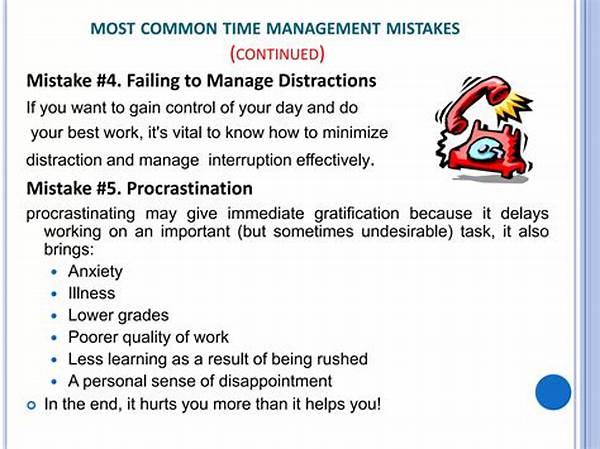
Statistics reveal that nearly 48% of people feel overwhelmed by the sheer volume of their responsibilities. Most startlingly, the number one time management mistake that leads to such debilitating feelings is over-scheduling. Yes, that innocent-looking calendar you’ve been zealously filling up is betraying you!
At first glance, tight schedules appear productive and bring about a sense of satisfaction. Let’s be honest: who doesn’t want to be the multitasking superhero of their own life, surpassing gadgets and powers? However, over-scheduling is nothing short of self-sabotage. Instead of becoming a time-management ninja, you’re left battling it all out, akin to a never-ending struggle against ever-mounting demands.
Why Over-scheduling is the Enemy
The heart of the problem lies in undervaluing our available time and overestimating what can be accomplished within it. We operate under the illusion that busier means more productive. Contrary to that, evidence suggests that overfilled calendars contribute to heightened stress and burnout. Our brains are simply not wired to stay focused indefinitely. Cramming too many activities leaves no room for unplanned emergencies or relaxation, and soon we find ourselves in a cycle of chaos.
To break free, we need to adjust our sails. Smart time management is about saying “No” more often than “Yes.” Prioritize tasks, set realistic goals, and embrace the art of delegation. And perhaps most importantly, pencil in time for yourself—it’s essential to recharge your mental batteries.
Embracing Balance and Intuition
In the hustle culture where “more” is unfairly idolized, redefining productivity allows us the space to breathe and pursue what truly matters. Start by listing priorities and allocate time slots accordingly. Foster a relationship with your intuition as it often knows what and when to cut back, ensuring you maintain balance without sacrificing efficiency or your well-being.
The Rejuvenation Effect of Saying No
A constructive step towards diffusing the notorious time trap lies in the courageous word “No.” Many people find it difficult to utter, fearing missed opportunities or trivial perceptions. Rather than seeing “No” as negative, regard it as an opportunity to care for your mental health and productivity. Opting to reserve time allows space for clarity, creativity, and innovation to flourish.
In conclusion, remember an over-packed schedule is the #1 time management mistake that leads to feeling overwhelmed and exhausted. Now is the time to bid farewell to those disheartening calendars and make room for personal growth, mindfulness, and a splash of everyday joys.
The Psychological Toll of Over-commitment
Navigating the Path to Sanity
Over-committing can wreak havoc not just externally but internally as well. The mental shift when moving from a cluttered schedule to a balanced one is akin to inhaling a fresh gust of air after being submerged underwater for too long. Ensuring your daily agenda doesn’t overflow is key in maintaining mental equilibrium and energy levels.
Goals to Avoid The #1 Time Management Mistake
Now, let’s dive deeper into understanding how this seemingly innocent mistake morphs into a colossal hurdle.
The Hidden Costs of Chasing Time
Time flies when you’re having fun, but also vanishes when you’re over-committed. Daily anecdotes reveal tales of individuals lost in translation—where days melt into one another, weeks feel shorter, and months slip by unnoticed. John, a CEO at a rising firm, once admitted in an interview, “I stuffed my schedule assuming I’d accomplish more, but all I achieved was exhaustion. The number one time management mistake was letting my calendar control me rather than the reverse.”
The allure of a jam-packed timetable lies in its illusory control—dissecting labels, rows, and columns offer a faux sense of stability. Yet, underneath lies turmoil, demanding liberation through conscious unwinding.
Illusions and Intentions
Prioritize intentions over resolutions. Start every day not with a full list but a focused intention. By setting smaller, manageable targets, you circumvent tight-packed plans—creating a breathable, adjustable map rather than a rigid statute. This intuitive approach liberates potential living under undue pressure.
Steps to Transformative Time Management
Crafting effective time management requires breaking free from societal pressures. Look at Tom—passing on numerous tasks, he paved way for a career fueled by precision and meaningful accomplishments, thus sidestepping the adverse effects of over-commitment.
By addressing the time management mistake, a newfound balance can be achieved, one that honors both ambition and mental well-being in harmony.
—
This structured approach allows your article to have a captivating balance of allure and actionable insights, ensuring readers not only understand the issue but also feel empowered to address it.