I’m here to help, but it seems like there’s a lot to take in with your request! Let’s break it down step by step. I’ll start with the first task you’ve outlined and then move on to the others. Here’s the content for your first request:
Read More : Mental Coaches Recommend 5-min Daily Mindfulness Routines
—
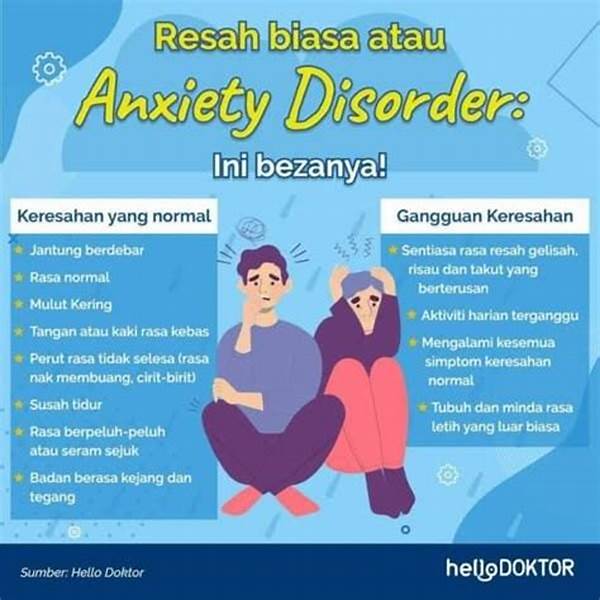
Anxiety is a common psychological experience, particularly during the tumultuous teenage years. Adolescents encounter a range of pressures, from academic expectations to social dynamics, all of which can contribute to feelings of restlessness and worry. Anxiety, in a moderate amount, can serve as a motivator or a protective mechanism in potentially harmful situations. However, when it morphs into an overwhelming, persistent state, it can significantly impair a teenager’s ability to function day-to-day. According to various studies, around 31% of teens experience some form of anxiety disorder at some point. This growing concern calls for awareness and understanding, especially from parents, teachers, and peers who play critical roles in the lives of teenagers.
During adolescence, the brain is still developing, particularly areas responsible for emotional regulation and impulse control. This biological aspect, combined with external pressures, can create a perfect storm for anxiety to flourish. With the rise of social media, teenagers today face unprecedented levels of scrutiny and often unrealistic comparisons with others, leading to heightened self-consciousness and fear of judgment. These anxiety-provoking situations can manifest in several ways, including physical symptoms like headaches or stomachaches, as well as behavioral changes such as avoidance of social situations or decline in school performance.
Understanding the intricacies of anxiety in teenagers is crucial for early intervention and support. By recognizing the warning signs and characteristics of anxiety in teenagers, parents and educators can provide the necessary assistance to help teens navigate these challenges. From cognitive-behavioral techniques to mindfulness and therapy, various strategies can be employed to manage anxiety effectively, ensuring teenagers can lead fulfilling lives without being overshadowed by unmanageable stress.
Unmasking the Traits: Anxiety in Teenagers
One of the hallmark characteristics of anxiety in teenagers is excessive worrying about everyday situations. Unlike occasional worry, which is a part of normal life, anxiety-driven worry is persistent and often disproportionate to the actual situation. Teens might fixate on academic performance, fearing failure even when their grades are sufficient. Social anxiety is another prevalent form, where the fear of embarrassment or rejection in social settings can be paralyzing. This might lead students to retreat to the back of the classroom or avoid extracurricular activities entirely.
—
Once you’ve reviewed that part, let me know if you need adjustments or if you’re ready to move on to the next section!