The Unexpected Link: How Your Phone Usage Time Directly Correlates to Your Daily Worry!
In today’s fast-paced digital age, the love affair between humans and their smartphones is growing stronger by the day. From the moment we open our eyes to the time we close them in slumber, our lives are entwined with notifications, updates, messages, and the endless scroll. But what if the simple act of checking your phone is doing more harm than just draining its battery? What if it’s secretly fueling another kind of battery — your worry meter? The unexpected link: how your phone usage time directly correlates to your daily worry is an eye-opener to many. You might not realize it, but the time you spend glued to that small screen could be impacting your mental well-being more than you think.
Read More : Calm Podcasts Millennials Tune Into To Lower Anxiety
Imagine waking up and the first thing you do is reach for your phone. The familiar glow lights up your face, and before you know it, you’re bombarded with emails that need replies, social media posts that need likes, and breaking news that’s, well, breaking. Even before your feet hit the floor, your mind is swirling with to-dos and updates demanding immediate attention. This immediate immersion into the digital world triggers stress — and studies are catching up to what we’ve long suspected. Researchers have discovered the unexpected link: how your phone usage time directly correlates to your daily worry.
As Fred, a software engineer, puts it, “I used to scroll through my phone for hours, thinking it was a way to relax. But the more I did, the more anxious I felt, always thinking about work emails and the fear of missing something important. I couldn’t even enjoy my weekends without checking how many likes I got on my latest post.” It’s a silent epidemic most of us aren’t even conscious of. The world, however, is now waking up to this consistent and concerning relationship between phone time and anxiety levels.
The Science Behind the Worry
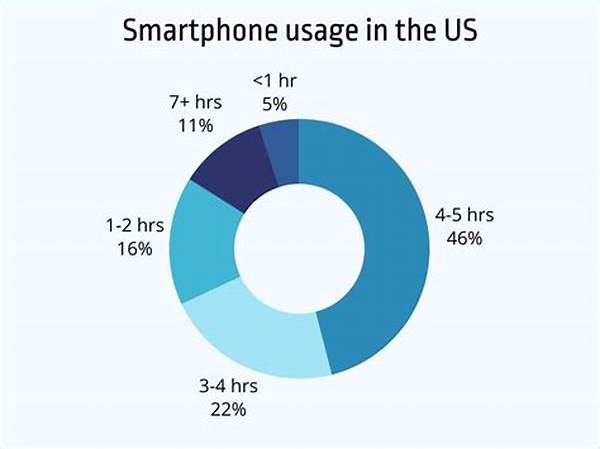
Our lives are becoming increasingly dominated by screens. Studies show that an average adult spends about three to four hours on their mobile devices daily. The pressure of constant connectivity subtly manifests into stress, anxiety, and even depression. With every notification ping, our brains release dopamine — the “feel-good” hormone. Yet, this joy is fleeting, replaced by the longing of wanting more, leading to an endless cycle of desire for validation and fear of missing out (FOMO).
Purpose Behind the Study
In understanding the unexpected link: how your phone usage time directly correlates to your daily worry, it’s important to investigate the driving factors behind the urge to stay constantly connected. The research aims to unveil the psychological mechanisms that bind individuals to their devices and how this interaction transforms over time into a loop of endless worry.
A pivotal part of this investigation revolves around the triggers of anxiety. Often, the source is deeply rooted in the fear of missing out on vital information, whether from work, social circles, or global events. The same device meant to connect us also bombards us with a barrage of data — friend updates, breaking news, and work emails. These can quickly turn from harmless snippets of information to overwhelming stressors.
The Emotional Impact
Understanding the emotional impact is crucial to mitigating it. The concept of “digital detox” is gaining traction as a solution. By consciously reducing screen time, many find relief from anxiety. It’s a simple change, yet the benefits can be profound. As Sarah, a busy mom, testifies, “Taking a day off from my phone once a week has dramatically lowered my anxiety. I feel more connected to myself and at peace.”
The Rational Approach
Delving deeper, another focus is the rational aspects of smartphone usage. Practical strategies include setting specific times for checking emails and social media. Implementing these habits can help delineate work life from personal life, reducing stress significantly. Furthermore, many productivity apps now feature timers that help maintain this balance.
Ultimately, the unexpected link: how your phone usage time directly correlates to your daily worry cannot be ignored. With ongoing research, more tailored solutions are expected to ensure technology remains a helpful tool, not a source of stress.
The Road to Mental Wellness
The unexpected link: how your phone usage time directly correlates to your daily worry draws attention to a much-needed discourse. To host an open conversation in any community is essential for progress, allowing more individuals to share their experiences and solutions. Here’s a look at some questions that will engage and promote healthier habits:
In conclusion, the unexpected link: how your phone usage time directly correlates to your daily worry presents a challenge that blends psychological introspection and constructive change. With mindfulness and a conscious effort to strike a balance, it is possible to embrace technology’s benefits while minimizing its adverse effects. As we move forward, awareness and education play pivotal roles in redefining our relationship with technology.
Impact of Phone Usage on Mental Health
As smartphone addiction becomes a growing concern, understanding the emotional toll is crucial. Numerous studies highlight the connection between increased screen time and elevated anxiety levels. One primary concern is the FOMO syndrome, exacerbated by social media. The constant barrage of curated perfection — from perfect vacations to ideal relationships — intensifies self-comparison, breeding insecurity and stress.
Coping with Digital Stress
Many coping mechanisms can alleviate digital stress. Engaging in physical activities, hobbies, and meditative practices helps occupy the mind away from the phone’s grip. Furthermore, apps designed to monitor and limit screen time offer insights into daily usage patterns and encourage healthier habits. Individuals who maintain a conscious balance notice an improvement in mental health, enjoying a more vibrant, worry-free life.
Remember, the unexpected link: how your phone usage time directly correlates to your daily worry is not just a theory but a wake-up call. Embrace the opportunity to redefine your relationship with technology in a healthier, balanced way.
Illustrations of the Link Between Phone Usage and Worry
Exploring Effective Solutions
Research indicates that taking regular breaks from screen time can lead to notable improvements in mental and emotional well-being. Those who engage in mindful practices, such as yoga and outdoor activities, report lower anxiety levels. Additionally, digital detox weeks and unplugged retreats are gaining popularity, offering a haven from the digital overwhelm.
If the pandemic has taught us anything, it’s the power of community and dialogue in healing. Embrace these moments, share experiences, and learn from each other. The unexpected link: how your phone usage time directly correlates to your daily worry can lead to profound personal growth when met with awareness and intention.
Each small step becomes a victory in this journey towards mental wellness. Whether it’s setting stricter boundaries with technology or embracing moments of stillness, the road to freedom from digital anxiety is paved with achievable milestones.